Iran has a very long history, many cultures, and different types of weather. Because of this, Iranian clothing is colorful, varied, and meaningful. People in Iran wear clothes that show tradition, religion, identity, weather needs, and personal style. Today, clothing in Iran is a mix of traditional and modern modest fashion.
History of Clothing in Iran
| Time Period | Clothing Style | Reason / Influence |
|---|---|---|
| Ancient Persia | Long robes, loose pants, decorated belts | Comfort + Royal style |
| After Islam | More modest and covered clothing | Religious values |
| Safavid Era | Silk clothes, detailed embroidery | Art + Trade |
| Qajar Era | Fancy colorful dresses and jackets | Royal lifestyle |
| Pahlavi Era | Western style clothing encouraged | Modernization |
| Today | Mix of modern + modest + traditional | Culture + Law + Fashion |
Meaning Behind Iranian Clothing
Clothing is important in Iran because it shows:
-
Modesty and respect
-
Cultural identity
-
Climate needs (cold mountains, hot deserts, humid forests)
-
Art and creativity through patterns and embroidery
Common Clothing Materials
-
Wool
-
Cotton
-
Silk
-
Linen
-
Velvet
-
Decorative items: beads, coins, mirrors, gold thread
Traditional Clothing for Women and Men
Women’s Traditional Clothing
| Item | Description |
|---|---|
| Chador | Large cloth worn over clothes, covers most of body |
| Roosari (scarf) | Covers hair; can be colorful or simple |
| Manteau/Tunic | Long coat-like top, loose and comfortable |
| Long skirts/dresses | Often bright and decorated |
| Jewelry and accessories | Handmade, often with coins and beads |
Men’s Traditional Clothing
| Item | Description |
|---|---|
| Shalvar | Loose pants |
| Pirahan (tunic) | Long shirt worn over pants |
| Vest or sash | Extra layer for warmth and style |
| Kolah Namadi (hat) | Felt wool hat |
| Giveh shoes | Woven handmade shoes |
Clothing in Different Iranian Regions
Iran has many ethnic groups, each with their own special style.
| Region or Group | Clothing Style |
|---|---|
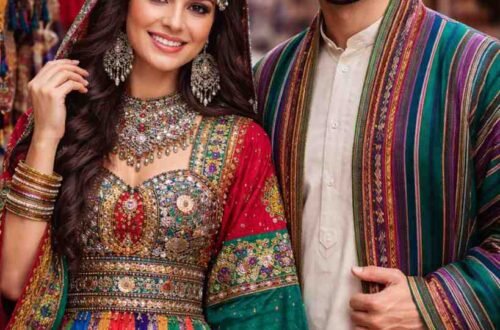
| Kurdish | Bright colors, long dresses, wide belts |
| Baluchi | Long embroidered dresses and scarves |
| Gilaki / Mazandarani | Layered skirts, warm vests |
| Qashqai (Nomadic) | Colorful wide skirts and shawls |
| Abyaneh (Village) | White floral headscarves + red skirts |
| Turkmen | Red velvet dresses, tall fur hats |
| Bakhtiari / Luri | Wool capes and felt hats |
| Hormozgan (South Coast) | Colorful dresses and face masks |
Modern Clothing Style in Iran
Many people in big cities like Tehran, Shiraz, and Isfahan dress in modern but modest outfits.
Common Modern Styles
-
Long coats and cardigans
-
Tunics with pants
-
Stylish and colorful scarves
-
Sneakers or flat shoes
-
Natural fabrics
-
Simple but artistic accessories
Modern Iranian clothing often mixes Western fashion + Iranian modest rules + cultural patterns.
Dress Code Rules for Travelers
Visitors must follow simple public clothing rules. They are not difficult, but must be respected.
Dress Code Table
| Rule | Women | Men |
|---|---|---|
| Hair | Cover with scarf | No requirement |
| Top | Loose and hip-length | T-shirts OK (not sleeveless) |
| Pants | Must be long | Must be long |
| Colors | Any color allowed | Any color allowed |
Special Places
-
Religious sites: Women may be asked to wear a chador (usually provided)
-
Private homes / hotels: No rules inside private spaces
Read also: Complete Guide to Vatican Clothing
Weather-Friendly Clothing Tips
| Season | Recommended Clothing |
|---|---|
| Spring | Light layers and cotton scarves |
| Summer (very hot) | Linen, thin cotton, loose clothes |
| Autumn | Sweaters, light jackets |
| Winter | Coats, boots, warm scarves |
Packing List for Tourists
-
Light scarves (2-3)
-
Long shirts/tunics
-
Comfortable long pants
-
Walking shoes
-
Sunglasses and sunscreen
-
Optional: light cardigan or shawl
Clothing for Celebrations and Festivals
| Event | Clothing Style |
|---|---|
| Nowruz (New Year) | New and bright clothes |
| Weddings | Fancy and decorated outfits |
| Nomadic events | Colorful traditional dresses |
| Religious events | Modest and darker colors |
Final Thoughts
Iranian clothing is beautiful, meaningful, and diverse. It shows how tradition and modern life can exist together. Every region, tribe, and city has clothes that tell a story about history, weather, art, and culture. Today, people in Iran still respect modesty but also enjoy style, color, and creativity, making Iranian clothing unique in the world.