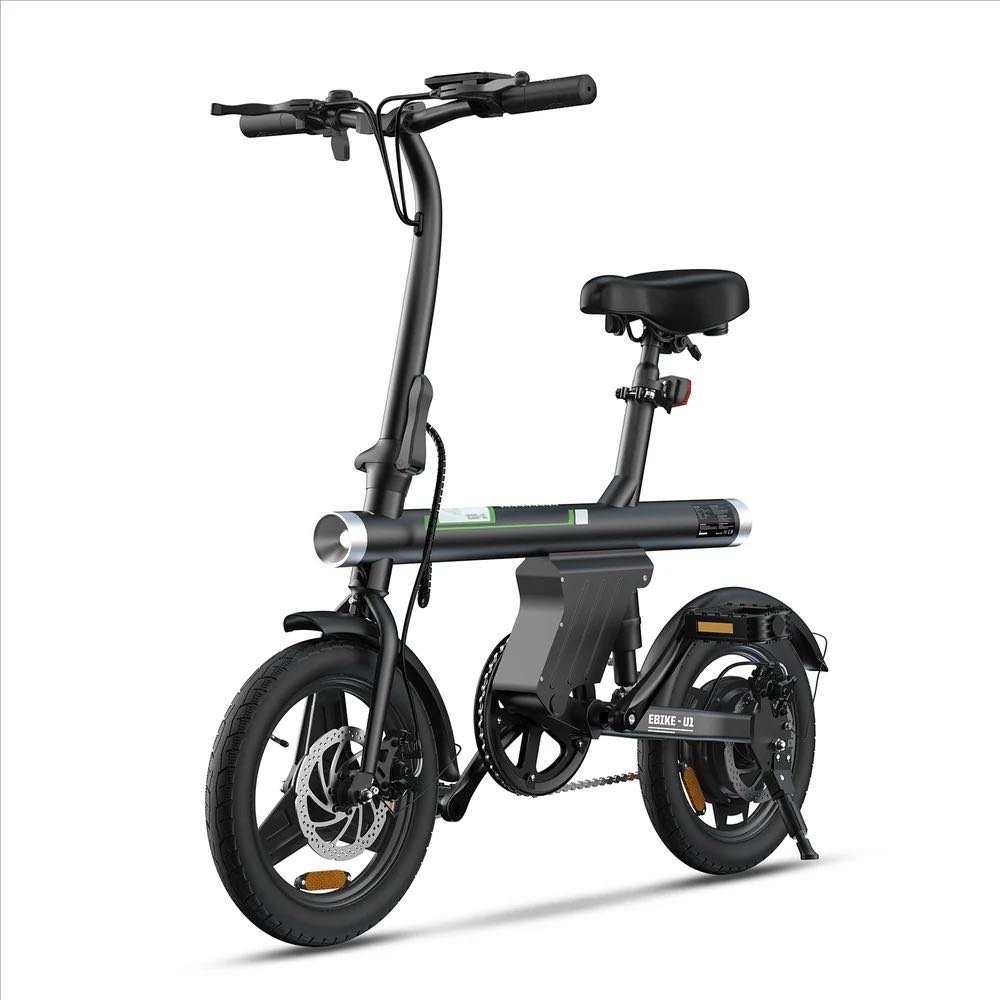
For a growing number of city dwellers and suburban workers, the daily commute has quietly transformed. Instead of sitting in traffic or squeezing onto a crowded bus, more people are pedaling — or rather, pedal-assisting — their way to work. Electric bikes built specifically for commuting have become one of the fastest-growing categories in personal transportation, and it’s easy to see why. They cut down travel time, skip parking headaches, and turn a stressful morning drive into something closer to a pleasant warm-up.
But not every ebike is designed with commuting in mind. A trail-focused mountain ebike or a stripped-down budget model might look appealing, but they often lack the specific features that make daily urban riding safe, comfortable, and practical. If you’re shopping for a commuter ebike, here’s what actually matters before you make a purchase.
Range That Matches Your Real Commute
The first thing to figure out is simple: how far do you actually need to ride, round trip, including any detours for groceries or errands? Many commuters underestimate their real daily mileage and end up with a battery that barely gets them home.
As a rule of thumb, look for a battery that offers at least 1.5 to 2 times your daily round-trip distance. This buffer accounts for hillier routes, cold weather (which reduces battery efficiency), stop-and-go traffic, and the occasional day you forget to charge overnight. A 10-mile commute might only need a 300–400 Wh battery, while a 25-mile round trip is safer with 500–700 Wh or more.
Step-Through Frame for Practicality
Commuter ebikes are often ridden in regular work clothes, which makes frame design more important than it might seem. A step-through frame — one without a high top tube — allows you to mount and dismount easily even in a skirt, suit, or dress. It also makes stopping at traffic lights less awkward, since you don’t need to swing a leg over a tall frame while wearing a backpack or laptop bag.
While step-over frames can look sportier, step-through designs have become increasingly popular among commuters precisely because they prioritize convenience over aesthetics.
Fenders and Weather Protection
Unlike recreational riders who might choose sunny days to go out, commuters don’t always get to pick their weather. Rain, puddles, and road grime are part of the deal. Fenders — front and rear — keep water and mud from splashing up your back and legs, which matters a lot when you’re heading into an office rather than home to shower.
Some commuter ebikes come with fenders pre-installed, while others require them as an add-on. If weather protection matters to you, check this before buying rather than assuming you can bolt it on easily later.
Integrated Lights
Riding to work often means leaving in early morning darkness or heading home after sunset, especially during winter months. A commuter ebike with integrated front and rear lights, ideally powered by the main battery rather than separate disposable batteries, is a major convenience and safety feature.
Beyond simple visibility, look for lights bright enough to actually illuminate the road ahead, not just make you visible to others. Some higher-end commuter models even include brake-activated rear lights, similar to a car, which adds an extra layer of safety in traffic.
Racks and Cargo Capacity
Few commuters ride with nothing but themselves. Laptops, gym clothes, groceries, or a change of shoes all need somewhere to go. A built-in rear rack — rated for a reasonable weight capacity — lets you attach panniers, baskets, or bungee cords without needing a bulky backpack every day.
If you regularly carry heavier loads, check the manufacturer’s specified rack weight limit. Some are designed for light items only, while others can handle 40–50 pounds or more, enough for a pannier bag or even a small cooler.
Reliable Braking for Stop-and-Go Traffic
City commuting means constant starting and stopping — at intersections, crosswalks, and unpredictable traffic. This puts more strain on brakes than a leisurely weekend ride would. Hydraulic disc brakes are the best choice for commuter ebikes, offering strong, consistent stopping power in both dry and wet conditions.
Given that commuter ebikes are often ridden in traffic alongside cars, cutting corners on braking is not where you want to save money.
Puncture-Resistant Tires
Few things ruin a morning commute faster than a flat tire from a piece of glass or a stray nail. Many commuter-specific ebikes come with puncture-resistant tires, often featuring a thicker rubber compound or built-in liner designed to resist punctures from urban debris.
If your commute involves riding through areas with more broken glass, construction debris, or general road clutter, this feature alone can save you significant time and frustration over the life of the bike.
Comfortable, Upright Riding Position
Commuting is different from sport cycling — you’re not necessarily trying to go as fast as possible or get an intense workout. Many commuter ebikes are designed with a more upright riding position, which reduces strain on the wrists, shoulders, and lower back during rides that might involve stopping frequently to check phones, look at traffic, or navigate crowded streets.
Look for adjustable handlebars and a comfortable saddle, since comfort during a 20–40 minute daily ride matters more than it might for occasional weekend outings.
Security Features
Ebikes, given their cost, are unfortunately a target for theft — especially when parked outside offices, train stations, or apartment buildings for extended periods during the workday. Features worth considering include:
- A removable battery you can bring inside with you
- Built-in frame locks or wheel locks
- Compatibility with GPS tracking accessories
- A sturdy frame designed to work well with U-locks or chain locks
Some newer commuter ebikes even include app-based tracking and remote locking, giving added peace of mind when the bike is parked in public for hours at a time.
Class Type and Local Regulations
As mentioned in general ebike buying guides, most regions classify ebikes into three categories based on speed and throttle capability. For commuting specifically, Class 1 or Class 3 bikes (both pedal-assist only, without a throttle) are often the most widely accepted on bike lanes and multi-use paths. Class 2 bikes, which include a throttle, may face more restrictions depending on your city or state.
Before buying, check local laws regarding where each class is permitted to ride, since some commuter routes and protected bike lanes have specific restrictions.
Display and Connectivity
While not essential, a clear, easy-to-read display can make daily commuting smoother. Look for one that shows battery level, current speed, and assist level at a glance, ideally without requiring you to take your eyes off the road for too long. Some commuter ebikes also offer smartphone app integration, allowing you to track ride history, remotely lock the bike, or receive maintenance reminders.
Weight and Portability
If your commute involves carrying the bike up stairs, storing it in a small apartment, or occasionally taking it on public transit, weight becomes an important factor. Commuter ebikes range widely, from around 40 pounds for lighter models to 65 pounds or more for heavier-duty options.
Some folding commuter ebikes have gained popularity specifically for this reason, allowing riders to fold and carry their bike onto trains or store it in tight spaces at home or the office.
Final Thoughts
Choosing the right commuter ebike comes down to matching features to your real daily routine rather than chasing the flashiest specs on paper. Think through your actual distance, weather conditions, parking situation, and how much cargo you typically carry. Prioritize dependable brakes, adequate range, and practical extras like fenders, lights, and a rack — these are the details that make the difference between a bike you love riding every day and one that ends up gathering dust after the first rainy week.
Take the time to test ride a few models if possible, and don’t be afraid to ask retailers detailed questions about battery life under real-world commuting conditions. A well-chosen commuter ebike can turn what used to be the most dreaded part of your day into something you actually look forward to.

