A winter wedding can be a lovely occasion, but choosing an outfit takes a little more planning when the weather is cold. You may need to travel between venues, spend time outdoors for photographs or move from a chilly ceremony space to a warm reception room. The best winter wedding guest outfit balances the dress code, comfort and weather without losing a polished look.
1. Check the invitation before choosing an outfit
Start with the dress code, venue and time of the event. A formal evening wedding may call for a long dress or a tailored suit, while a daytime celebration may allow a simpler outfit. If the invitation does not explain the dress code, ask the couple or wedding organiser rather than guessing.
Also check whether any part of the celebration takes place outdoors. A garden ceremony, country venue or winter photograph session may require warmer layers and shoes that work on grass or uneven paths.
2. Choose an outfit that suits the dress code
Formal or black-tie wedding
For a formal event, consider an evening dress, an elegant jumpsuit or a well-cut suit. Rich colours such as navy, deep green, burgundy and plum can work well in winter, but follow any colour guidance from the couple. Keep the overall look neat and avoid anything that feels too casual for the venue.
Cocktail or semi-formal wedding
A midi dress, tailored separates or a smart jumpsuit can suit a cocktail dress code. A structured jacket or dressy coat adds warmth when travelling between locations. Choose fabrics that hold their shape and feel comfortable for sitting and dancing.
Casual or daytime wedding
A simple dress with a smart coat, a coordinated trouser outfit or a polished skirt and knit combination may be suitable. Casual does not mean everyday gymwear or distressed clothing; aim for a tidy outfit that respects the occasion.
3. Use warm layers that look intentional
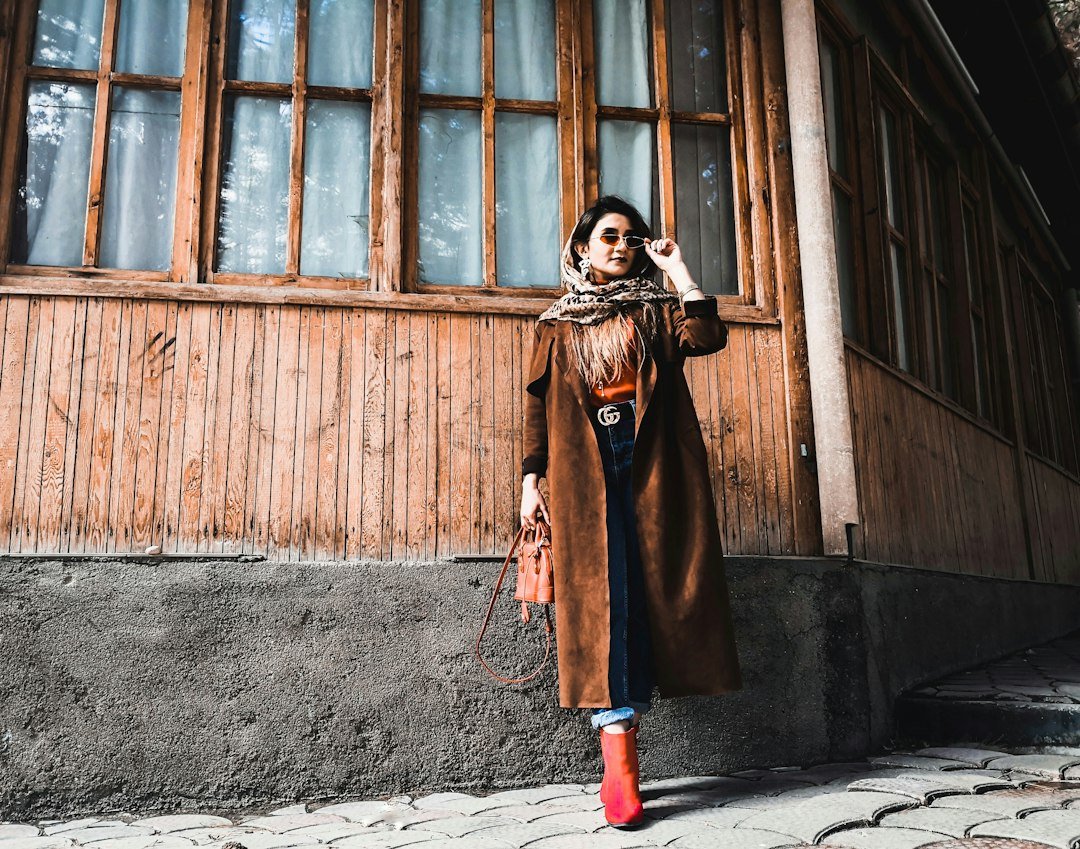
A coat is often the most important extra piece for a winter wedding. Choose a style that fits over your outfit without crushing sleeves or making movement difficult. A tailored wool-style coat, a smart wrap coat or a clean-lined long coat can create a finished look.
For indoor warmth, consider a fine knit layer, a dressy cardigan or a wrap that complements the outfit. If you wear a sleeveless dress, a suitable jacket or shawl can help during the ceremony and travel. Avoid relying on a bulky everyday jacket if the event is formal.
4. Think about fabric and comfort
Velvet, heavier crepe, satin with a lining and structured woven fabrics are common choices for cold-weather occasion outfits. However, the venue heating and length of the event matter too. A thick fabric may feel warm outdoors but uncomfortable in a crowded, heated room.
Check garment care labels before buying or wearing a new outfit. Some delicate fabrics need careful cleaning, and a last-minute stain can be difficult to remove before the event.
5. Pick shoes for the venue and weather
Heeled boots, closed-toe heels, smart flats and dressy loafers may all work depending on the dress code. If the ceremony or reception is on grass, gravel or wet paving, a very narrow heel may be difficult to walk in. A block heel or a stable flat can be a practical alternative.
Try the shoes with your outfit before the wedding. Check that the hem does not catch under the heel and that you can walk comfortably. If you expect a long day, consider carrying a simple spare pair for later.
6. Keep accessories useful and balanced
A small evening bag or neat shoulder bag can hold the essentials without becoming heavy. Choose jewellery that complements the outfit rather than competing with every detail. A scarf can be useful for travel, but it should be easy to remove once indoors.
For cold outdoor moments, gloves and a warm wrap may help. Keep them coordinated with your coat so they look like part of the outfit rather than an afterthought.
7. Be thoughtful about colours and wedding etiquette
Unless the couple says otherwise, avoid wearing white or a shade that could look like the bridal outfit. Some weddings also have cultural or family colour traditions, so check the invitation and ask if you are unsure. Do not assume that every wedding follows the same rules.
Bright colours and prints can be appropriate when they suit the dress code. If you choose a bold outfit, keep accessories simple. If your clothing is minimal, a textured coat or one statement accessory can add interest.
8. Prepare for the day before you leave
- Check the forecast and travel arrangements the day before.
- Try on the full outfit, including coat, shoes and bag.
- Check the venue’s dress code and any cultural guidance.
- Carry a small repair kit or fashion tape if you already use it safely.
- Allow time to change shoes or remove outer layers at the venue.
- Keep a spare warm layer available if you will be outside for photographs.
Frequently asked questions
Can I wear boots to a winter wedding?
Yes, if they suit the dress code and look polished. A clean pair of dress boots can be practical in cold or wet weather. Check the invitation and venue before choosing a casual style.
What coat should I wear over a formal dress?
A tailored coat or a smart wrap coat is often a good choice. Make sure it fits over the dress comfortably and is long enough to keep you warm while travelling.
Can I wear black to a winter wedding?
Black is accepted at many modern weddings, especially formal evening events, but customs differ. If you are unsure, check with the couple or choose another deep winter shade.
Conclusion
A good winter wedding guest outfit should match the dress code, suit the venue and keep you comfortable in cold weather. Plan your layers, test your shoes and check the invitation before making a final choice. With a little preparation, you can enjoy the celebration without spending the day feeling too cold or uncomfortable.