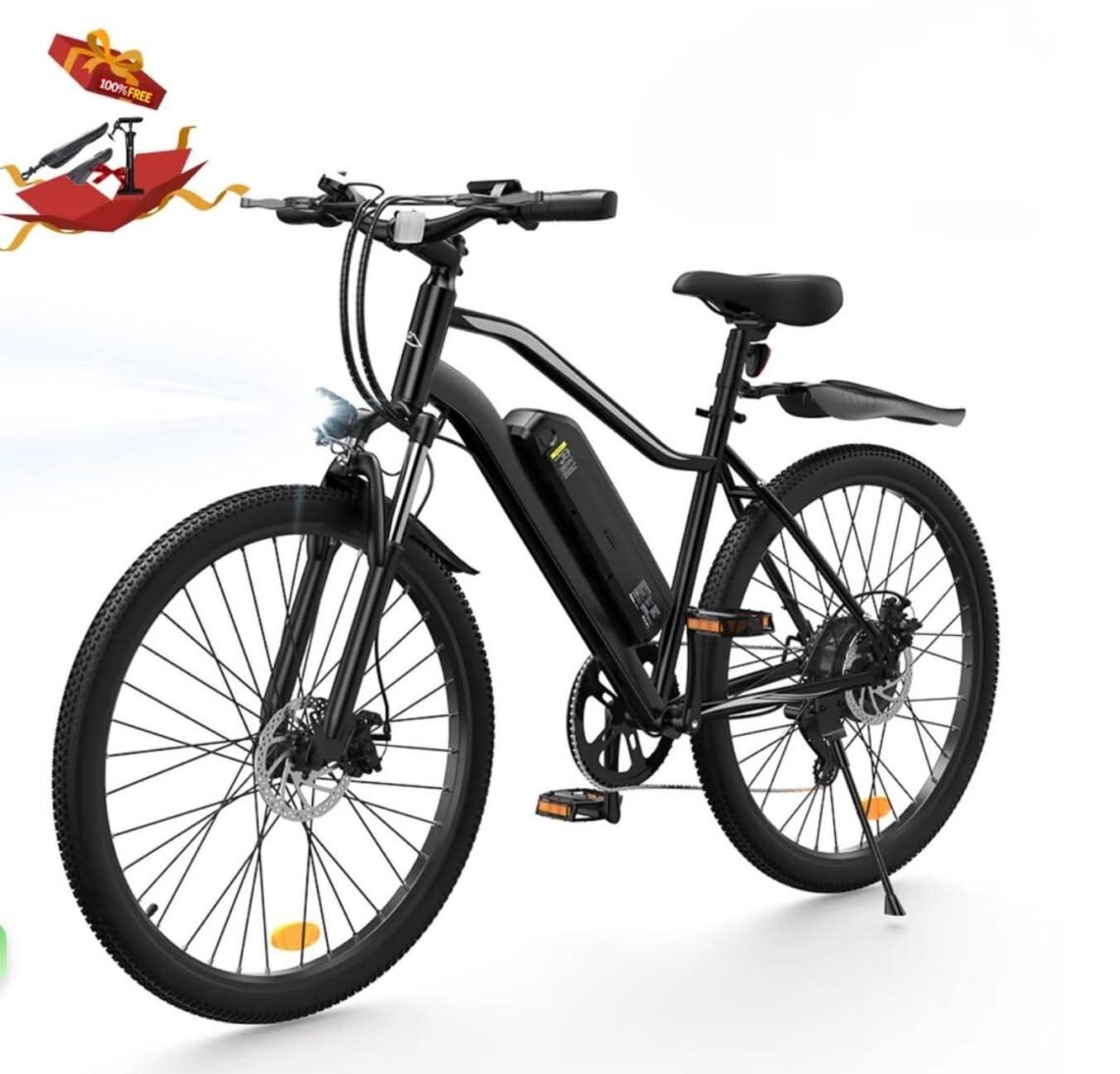
Outdoor cycling has become increasingly popular among people who want to explore nature, improve their riding skills, and enjoy longer journeys. An electric mountain bike offers a combination of traditional cycling and electric assistance, making it easier to manage hills, uneven trails, and challenging routes. For beginners, choosing the right model requires understanding the bike’s performance, comfort, battery capacity, and safety features.
An electric mountain bike uses an electric motor to assist pedaling, allowing riders to tackle different types of terrain with less effort than a conventional mountain bike may require. However, not every model is suitable for every rider. Understanding the available features can help you make a practical and informed purchasing decision.
1. Understand How an Electric Mountain Bike Works
Before buying your first model, it is important to understand how electric mountain bikes operate. Most models use a rechargeable battery, an electric motor, and a controller that manages power delivery.
Many electric mountain bikes use pedal assistance, meaning the motor provides additional power while the rider pedals. Some models also include a walk-assist function that helps move the bike slowly when walking beside it.
Motor placement can influence handling and performance. Mid-drive motors are positioned near the pedals and can provide balanced weight distribution. Hub motors are installed in one of the wheels and may offer a simpler design.
For beginners, a bike with predictable power delivery and easy-to-understand controls is often a sensible choice. You should also check whether the assistance settings can be adjusted to match your riding experience.
2. Choose the Right Motor Power
Motor performance is an important consideration when comparing electric mountain bikes. The motor helps riders climb hills, accelerate from a stop, and maintain momentum on demanding routes.
However, higher motor power does not automatically mean a better riding experience. The bike’s weight, gearing, motor efficiency, and terrain all influence its performance.
A moderate power setting may be sufficient for recreational trail riding, while riders who frequently encounter steep hills may benefit from a model designed for more demanding conditions.
It is also important to understand local electric-bike regulations. Some regions have restrictions on motor power, assisted speed, and where electric bikes can be ridden. Check the applicable rules before choosing a model.
3. Check Battery Capacity and Riding Range
Battery capacity determines how much energy an electric mountain bike can store. It is commonly measured in watt-hours (Wh). In general, a larger battery can provide more energy, although actual riding range depends on several other factors.
For example, steep climbs, rough trails, high assistance settings, colder temperatures, and heavier loads can increase energy consumption. Riders who pedal consistently and use lower assistance levels may achieve a longer range.
When comparing batteries, consider your typical journey rather than relying entirely on advertised maximum distances.
Also, check how long the battery takes to charge, whether it can be removed for charging, and how easily replacement batteries are available. Proper charging and storage according to the manufacturer’s instructions can help maintain battery performance over time.
4. Select a Suitable Frame and Suspension
Frame design affects comfort, handling, and durability. Electric mountain bikes often use aluminum alloy frames because they offer a practical balance between strength, weight, and cost. Some premium models use carbon fiber to reduce weight.
The frame size must match the rider’s height and body proportions. A correctly sized bike makes steering more comfortable and helps riders maintain better control.
Suspension is another important feature. Hardtail models have front suspension but no rear suspension, making them suitable for many beginner-friendly trails and general outdoor riding. Full-suspension bikes include front and rear suspension to absorb impacts on rougher terrain.
Beginners should consider the types of trails they expect to ride. A hardtail may be sufficient for smoother paths, while a full-suspension model can offer additional comfort and control on more technical terrain.
5. Pay Attention to Tires and Brakes
Tires directly influence grip, stability, and rolling resistance. Wider tires with suitable tread patterns can provide traction on dirt, gravel, and rocky trails.
The best tire choice depends on the riding environment. Aggressive tread can be useful on loose surfaces, while less aggressive patterns may roll more efficiently on smoother paths.
Brakes are equally important because electric mountain bikes can be relatively heavy and may travel at higher speeds than traditional bicycles.
Hydraulic disc brakes generally offer strong, consistent braking performance with less hand effort than many basic mechanical systems. Mechanical disc brakes can still be suitable for some riders, depending on the bike and intended use.
Before purchasing, check brake quality, maintenance requirements, and the availability of replacement pads. Always test the brakes in a safe area before attempting difficult trails.
6. Consider Comfort, Weight, and Fit
Comfort can make a significant difference when choosing your first electric mountain bike. Handlebar position, saddle design, frame geometry, and pedal placement all influence how the bike feels during longer rides.
A heavy bike may feel stable on some trails but can be harder to lift, transport, or maneuver in tight spaces. Because electric bikes include a motor and battery, they are often heavier than comparable conventional bicycles.
Visit a bicycle retailer if possible and test different frame sizes. Pay attention to how easily you can reach the handlebars, operate the brakes, and place your feet securely when stopping.
For new riders, comfortable handling is generally more useful than purchasing a model with advanced features they may not need.
7. Compare Price, Warranty, and Maintenance
Your budget should include more than the initial purchase price. Helmets, protective equipment, a suitable lock, lights, and routine maintenance can add to the overall cost.
Before buying, review the warranty coverage for the frame, motor, battery, and electrical components. Some manufacturers provide different warranty periods for different parts.
Check whether local repair shops can service the motor and electrical system. Replacement batteries, chargers, tires, brake pads, and other spare parts should be reasonably accessible.
A less expensive model may appear attractive initially, but poor parts availability or limited after-sales support can create difficulties later.
8. Prepare for Your First Trail Ride
Once you have selected your bike, begin with easy routes and gradually develop your riding skills. Learn how the assistance settings affect acceleration, practice braking at different speeds, and become comfortable shifting gears.
Always wear a properly fitted helmet and consider gloves, eye protection, and other suitable protective equipment. Carry water, check tire pressure, inspect the brakes, and make sure the battery has enough charge for your planned journey.
Avoid technical trails until you have developed the necessary skills. Respect trail rules, give other users sufficient space, and follow local restrictions concerning electric bicycles.
Conclusion
Choosing your first electric mountain bike becomes easier when you understand the features that matter most. Motor performance, battery capacity, frame size, suspension, tires, and brakes all contribute to the overall riding experience.
Instead of focusing only on speed or power, prioritize comfort, reliability, safety, and suitability for your intended terrain. Compare several models, review warranty terms, and test ride whenever possible.
With careful research and regular maintenance, an electric mountain bike can be a practical option for exploring outdoor trails, enjoying recreational cycling, and building confidence on different types of terrain.

