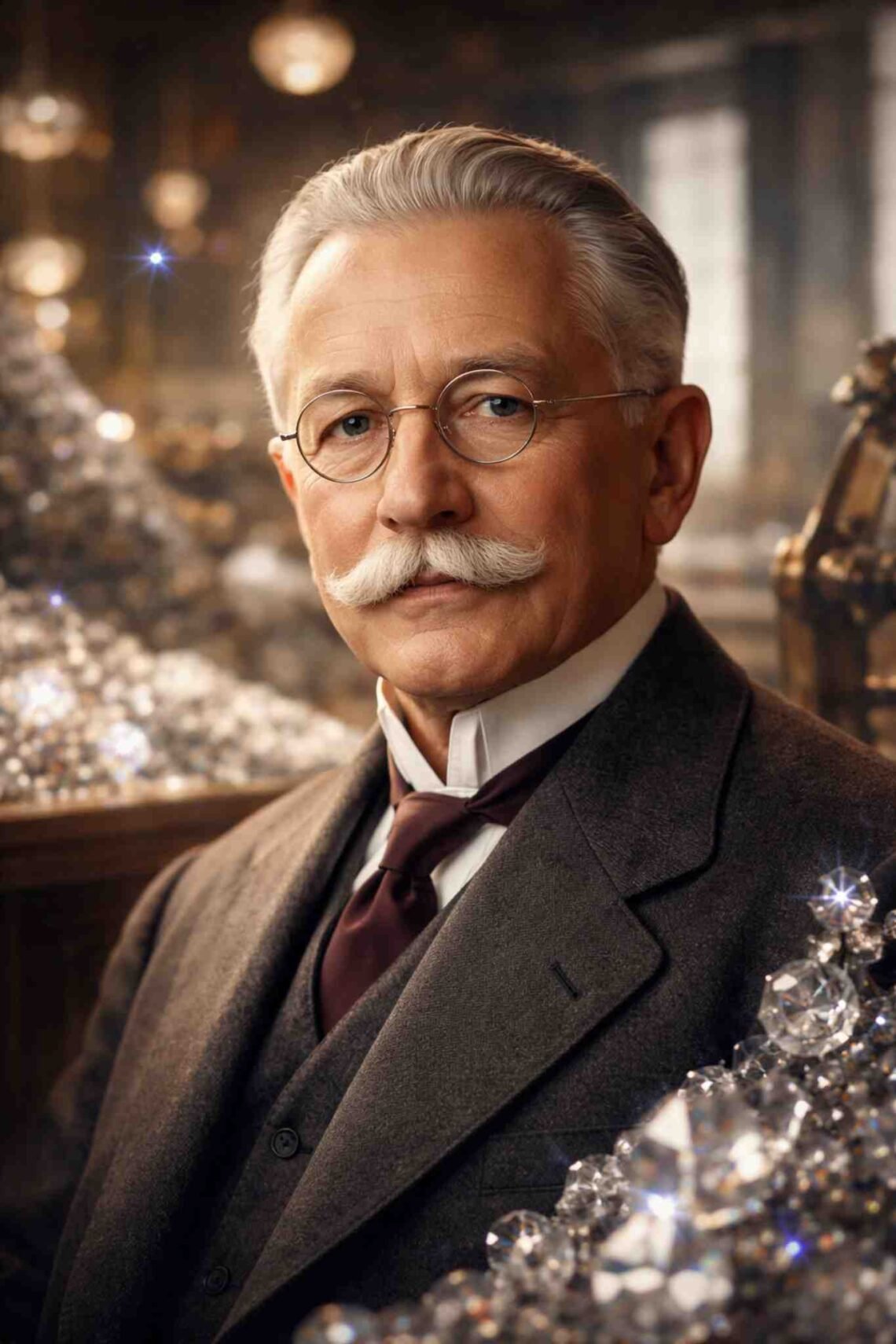
Daniel Swarovski was the founder of the famous Swarovski brand. Today, Swarovski is known all over the world for its shining crystals, jewelry, fashion items, and decorations. But behind this famous name is the story of one man who changed how crystal was made. Daniel Swarovski used new technology to improve crystal cutting and turned a small craft into a global business.
This article explains his life, work, and legacy using simple English, lists, and tables.
Quick Facts About Daniel Swarovski
| Topic | Information |
|---|---|
| Full Name | Daniel Swarovski |
| Born | 1862 |
| Birthplace | Bohemia (now part of the Czech Republic) |
| Famous For | Founder of Swarovski |
| Company Founded | 1895 |
| Place of Company | Wattens, Austria |
| Main Idea | Using machines to cut crystal |
| Died | 1956 |
1. Early Life and Background
Daniel Swarovski was born into a family that worked with glass and crystal. From a young age, he learned how crystal was cut and shaped by hand. This work needed skill and patience, but it was slow and tiring.
What Daniel Learned as a Young Man
-
How to cut crystal by hand
-
How glass and crystal are made
-
How workshops worked
-
The problems of slow and uneven work
-
The limits of manual tools
Problems with Traditional Crystal Cutting
| Traditional Way | Problems |
|---|---|
| Hand tools | Hard to get the same shape every time |
| Manual work | Very slow |
| Small workshops | Could not produce large amounts |
| Human effort | Easy to make mistakes |
These problems made Daniel think about better ways to work. He believed machines could help people do better and faster work.
2. A New Way to Cut Crystal
Daniel Swarovski created a machine that used electric power to cut and polish crystal. This was a big change at that time. The machine helped make crystal pieces more even and more beautiful.
How the New Machine Helped
Benefits of the machine:
-
Faster cutting
-
More accurate shapes
-
Same quality for many pieces
-
Less physical work for workers
-
Easier to produce large numbers
Read also: Vera Mukhina
Old Method vs New Method
| Feature | Old Hand Method | New Machine Method |
|---|---|---|
| Speed | Slow | Fast |
| Quality | Not always the same | Even and reliable |
| Output | Small amounts | Large amounts |
| Effort | Very tiring | Easier on workers |
This new method helped Daniel produce crystal that looked like fine jewelry but could be made in larger numbers. This made crystal more available to fashion designers and customers.
3. Starting the Swarovski Company (1895)
In 1895, Daniel Swarovski started his company in Wattens, Austria. He chose this place carefully.
Why Wattens Was a Good Choice
| Reason | Why It Helped |
|---|---|
| Water power | Used to run machines |
| Quiet location | Fewer competitors |
| Natural resources | Clean water for production |
| Transport routes | Easier to send products |
Early Goals of the Company
-
Make high-quality crystal
-
Keep cutting methods secret
-
Sell crystal to fashion and jewelry makers
-
Build a strong and trusted name
Daniel wanted people to think of Swarovski as a symbol of quality and shine. He focused on making crystal that was beautiful and consistent.
4. Growing the Business
After the company started, it slowly grew. More designers wanted Swarovski crystals for clothes, jewelry, bags, and decorations.
Business Growth Steps
-
Improve machines and tools
-
Train workers
-
Increase production
-
Work with fashion designers
-
Sell products to other countries
Results of Growth
| Area | Result |
|---|---|
| Production | More crystals made |
| Quality | High and stable |
| Customers | Fashion houses and designers |
| Brand name | Known for shine and beauty |
Swarovski crystals became popular in fashion because they looked like expensive stones but were easier to use in designs.
5. Expanding into New Areas
Daniel Swarovski did not only focus on crystal for fashion. He also used his machine skills in other areas.
New Business Areas
| Business Area | Purpose | Result |
|---|---|---|
| Tyrolit | Tools for cutting and grinding | Became a strong industrial brand |
| Optics | Making lenses and optical tools | Led to Swarovski Optik |
| Crystal parts | Decoration and design | Core business grew |
Why This Was Smart
-
The same machines could be used in different industries
-
The company did not depend on only one product
-
It created more income sources
-
It made the company stronger in hard times
6. Daniel Swarovski’s Values and Leadership
Daniel Swarovski believed in:
-
Hard work
-
Quality
-
Innovation
-
Long-term planning
His Leadership Style
-
Focus on improving machines
-
Keep learning new methods
-
Protect company secrets
-
Involve family members in the business
-
Plan for the future
He wanted the company to last for many years, not just during his own lifetime.
7. Later Years and Passing
As Daniel Swarovski became older, he gave more responsibility to his family. The company had grown into a large business by that time.
Later Life Summary
| Stage | Description |
|---|---|
| Active years | Led the company and guided growth |
| Later years | Stepped back from daily work |
| Family role | Family members took leadership |
| Death | 1956 |
Even after his death, the company continued to grow and improve.
8. Legacy and Impact
Daniel Swarovski left a strong legacy. His work changed how crystal was made and used around the world.
His Long-Term Impact
In Fashion
-
Crystals used in clothes and jewelry
-
Helped make fashion items shine
-
Made decoration more affordable
In Industry
-
New tools and grinding machines
-
Growth of industrial brands like Tyrolit
In Business
-
Showed how small workshops can grow into global companies
-
Built a strong family business
Summary of His Legacy
| Area | Impact |
|---|---|
| Crystal cutting | Faster and more accurate |
| Fashion | Crystals became popular |
| Industry | New tools and machines |
| Business | Long-lasting global brand |
9. Conclusion
Daniel Swarovski was more than a businessman. He was an innovator who believed that technology could improve traditional work. By using machines to cut crystal, he changed an old craft into a modern industry. His company grew from a small factory in Austria into a global brand known for beauty and shine.
His life teaches simple lessons:
-
Respect traditional skills
-
Use technology to improve work
-
Think about the future
-
Build something that can last for generations