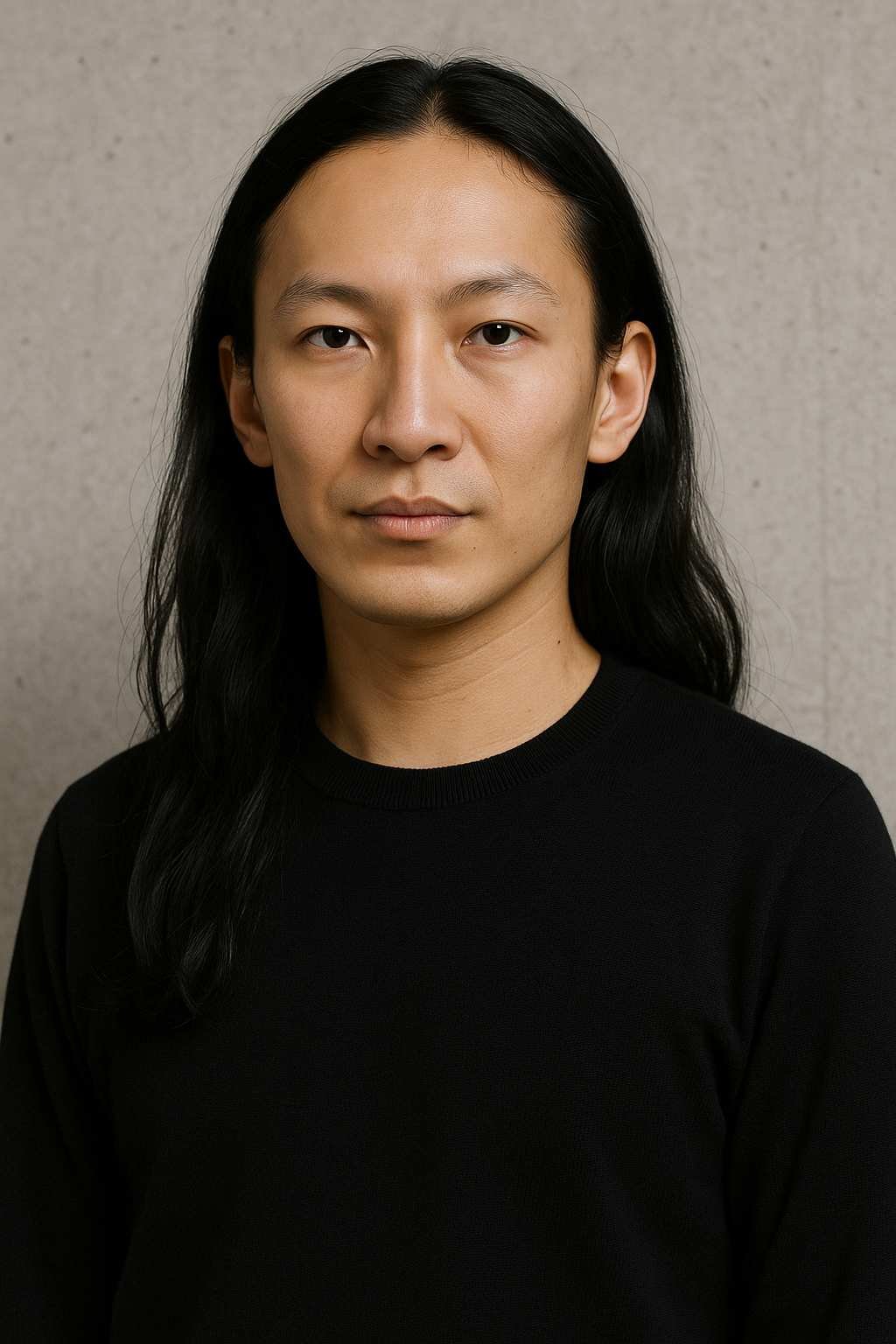
Alexander Wang is one of the best-known American fashion designers of the 2000s and 2010s. He mixed street style with high fashion, creating a new kind of modern look — simple, comfortable, and confident. This article tells his story, his style, his challenges, and what makes his brand important today.
1. Early Life
| Detail | Information |
|---|---|
| Full Name | Alexander Wang |
| Born | December 26, 1983 |
| Birth Place | San Francisco, California, USA |
| Parents | Taiwanese-American |
| Education | Parsons School of Design, New York City (did not finish) |
Facts:
-
Wang grew up in a Chinese-American family that valued hard work and creativity.
-
He loved art and design from a young age.
-
He moved to New York City to study fashion at Parsons but left early to start his own label.
-
His early designs showed both confidence and curiosity — he wanted to create clothes people could actually wear.
2. Starting His Brand
| Year | Event |
|---|---|
| 2005 | Started his own fashion label, Alexander Wang |
| 2007 | First big runway show in New York |
| 2008 | Won the CFDA/Vogue Fashion Fund Award |
| 2009 | Launched T by Alexander Wang |
| 2011–2012 | Added menswear and handbags |
Main Ideas Behind His Brand:
-
Simple shapes and neutral colors (especially black and white).
-
A mix of sporty and luxury styles.
-
Relaxed, easy-to-wear outfits that still look stylish.
-
The “model-off-duty” look — the casual clothes that models wear after runway shows.
His early success showed that fashion could be cool and comfortable at the same time.
3. His Signature Style
Alexander Wang’s style is built on contrast — mixing opposites that somehow fit perfectly together.
Style Features
-
Mostly black, gray, and white colors.
-
Clean lines and strong shapes.
-
Use of streetwear items like hoodies and bomber jackets.
-
Luxury fabrics such as silk, leather, and cashmere.
-
Gender-neutral cuts that work for everyone.
Design Beliefs
-
Clothes should look cool without too much effort.
-
Comfort is just as important as style.
-
Good fashion should be practical for real life.
His designs show that you don’t need glitter or bright colors to make a statement — confidence is the key accessory.
4. Time at Balenciaga (2012 – 2015)
| Position | Creative Director, Balenciaga |
|---|---|
| Started | December 2012 |
| Ended | July 2015 |
| Predecessor | Nicolas Ghesquière |
What He Did:
-
Modernized Balenciaga’s classic designs.
-
Mixed the brand’s elegant shapes with his own street-inspired look.
-
Brought younger fans to an old couture label.
-
Increased global attention for Balenciaga’s shows.
Although he stayed only three years, Wang proved he could design luxury fashion at the top level while keeping his New York edge.
Read also: Raf Simons
5. Famous Collaborations
| Year | Partner | Type of Project | Result |
|---|---|---|---|
| 2008 & 2018 | UNIQLO | Everyday basics | Simple, functional clothing with Wang’s clean design |
| 2014 | H&M | Limited capsule collection | Sold out worldwide within hours |
| 2015 | Beats by Dre | Tech accessories | Mixed style + technology |
| 2016 | Adidas Originals | Sportswear and shoes | Turned streetwear into high-end fashion |
T by Alexander Wang, his second line, focuses on casual pieces like T-shirts and sweatpants but made from high-quality materials. It lets more people wear the Alexander Wang look at a lower price.
6. Awards and Honors
| Year | Award | Organization |
|---|---|---|
| 2008 | CFDA/Vogue Fashion Fund Winner | CFDA & Vogue |
| 2009 | Swarovski Womenswear Designer of the Year | CFDA |
| 2011 | Accessory Designer of the Year | CFDA |
| 2013 | Designer of the Year Nominee | CFDA |
What These Mean:
-
They show Wang’s strong talent in both clothing and accessories.
-
They made him one of the most respected designers of his generation.
-
His early awards helped him grow faster in the global market.
7. Problems and Controversies
In late 2020, several people accused Alexander Wang of sexual misconduct. At first, he denied the claims. Later, in 2021, he made a public apology, saying he was sorry for his actions and would listen and change.
What Happened Next:
-
Many brands and fans questioned their support.
-
Wang and his company started working to rebuild trust.
-
He began focusing on creating a more respectful and open workplace.
This period was difficult for him, but it also became a turning point for learning and responsibility.
8. The Brand Today
| Feature | Current Details |
|---|---|
| Main Products | Ready-to-wear, bags, shoes, accessories |
| Design Style | Streetwear meets luxury |
| Stores | New York, Shanghai, Beijing, and online |
| Recent Collection | Spring 2026 “Matriarch” show in New York |
| Social Media | Instagram @alexanderwangny with millions of followers |
Current Goals
-
Build a more inclusive and responsible brand image.
-
Use social media and videos to reach younger buyers.
-
Focus on sustainability and fair production.
-
Expand in Asian and global luxury markets.
The brand is still strong, known for simple, sharp designs and a focus on city life energy.
9. Celebrities and Influence
| Celebrity | How They Wear Wang |
|---|---|
| Rihanna | Mixes leather jackets and denim for bold looks. |
| Bella Hadid | Wears sleek, black, fitted outfits. |
| Kendall Jenner | Loves his sporty yet classy dresses. |
| Zoë Kravitz | Embodies his downtown New York style. |
Cultural Impact
-
Brought street fashion to luxury runways.
-
Popularized the “model-off-duty” trend.
-
Helped start the athleisure movement — sportswear as everyday fashion.
-
Made fashion events more open and social through his famous after-parties.
Through his work, Wang showed that fashion is about attitude, not just expensive materials.
10. What Makes the Alexander Wang Brand Special
| Feature | Explanation |
|---|---|
| Minimal Design | Simple shapes and limited colors. |
| Comfort & Function | Easy to wear anywhere, anytime. |
| Street Spirit | Inspired by real city life and youth culture. |
| Luxury Finish | Uses quality fabrics and craftsmanship. |
| Bold Identity | Always modern, confident, and cool. |
In Short:
Alexander Wang made it possible for people to dress both comfortable and chic, creating a new language of everyday luxury.
11. The Future
Moving forward, Wang and his brand aim to:
-
Be more transparent with fans and customers.
-
Use new materials that are eco-friendly.
-
Keep exploring gender-neutral design.
-
Grow internationally while staying true to his New York roots.
The future of the Alexander Wang label lies in balance — keeping the edge that made it famous while adapting to new values in the fashion world.
12. Conclusion
Alexander Wang’s story is one of talent, risk, and reinvention. He went from a young designer in New York to a global fashion leader, bringing the street into luxury. Even after facing controversy, he continues to evolve and push his brand forward.
Why He Matters:
-
He changed how people see everyday fashion.
-
He showed that comfort can be chic.
-
He influenced designers around the world to mix luxury with street style.
Alexander Wang’s name now stands for more than clothes — it represents modern confidence, urban freedom, and the idea that fashion should fit real life.