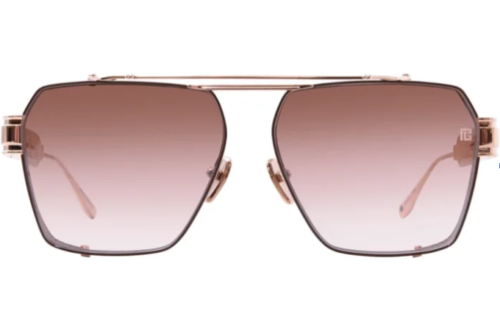
Similar to any vision correction or a change in prescription, adjusting to varifocal glasses can take some time. Although varifocal glasses offer several benefits, the design may feel weird at first. This is because your eyes need to learn how to use different parts of the lens. You might notice slight blurriness at the sides, mild dizziness or a sense of imbalance when moving your head. But, these effects are temporary and usually improve as your eyes adjust.
Why do people need to start wearing varifocal glasses
After a certain age, our eye muscles start to weaken, causing our eyes to lose the ability to see nearby objects clearly. This can make everyday tasks such as reading books or newspapers more difficult. Known as presbyopia, this condition is a refractive error that usually develops in early to mid-40s.
As a result, people need different prescriptions for near, intermediate and distant vision. This means a person may have to switch between multiple pairs of glasses to be clear at all distances, which can be really inconvenient. This is where varifocal glasses come in. Designed to correct vision at multiple distances in a single pair, they offer a practical and seamless solution. While they can take some time to get used to, most people adapt quickly with the right approach. Let’s learn how these glasses work and tips to adjust to them.
Tips to quickly adjust to varifocal glasses?
It can take some time to adjust to varifocal glasses but here are a few simple tips to make the adjustment process easier and more comfortable:
- Wear them consistently – Try to wear your varifocal glasses throughout the day and avoid switching back to your old single-vision or bifocal pair. This helps your eyes adjust faster and avoids confusion between prescriptions.
- Move your head, not just the eyes – Instead of only shifting your eyes, gently move your head to look through the correct part of the lens. This makes it easier to find the right viewing zone and reduces distortion.
- Start with simpler tasks – Try to begin with everyday activities such as reading a book or watching TV. As you become more comfortable, gradually move on to tasks like walking outdoors or using a computer.
- Practise in different environments – Once you get used to wearing them for everyday activities, try wearing your glasses in different environments to train your eyes. Wear them at work, while driving or outdoors. This helps you get familiar with changes in distance and focus under different lighting conditions.
- Be patient with the process – Patience is the key. It is normal to feel slightly disoriented at first. Give yourself time to adjust and avoid feeling discouraged if it does not feel perfect straight away.
If you are still having trouble adjusting after a few weeks or months, visit your optician. They can check the fitting and make adjustments.
Tips to take care of your varifocal glasses
Once you get used to your varifocal glasses, taking proper care of them is just as important for maintaining clear and comfortable vision. Taking proper care of your varifocal glasses not only keeps them clean but also helps extend their lifespan. Here are a few care tips:
– Always use a microfibre cloth to clean your lenses. Avoid using tissues or clothes, as they can scratch the lens surface
– Clean your glasses’ lenses with lens cleaning liquid to remove smudges, oil and debris
– When not in use, store them in a sturdy protective case, with the lenses facing upwards
– Always use both hands while putting on or removing your glasses and avoid touching the lenses
– Don’t leave your glasses in extreme temperatures, such as in direct sunlight or on a car dashboard, as this can damage your glasses
Remember, it takes some time to adjust to your new varifocal glasses, but with a little patience and the right care, you can easily enjoy sharp vision at all distances seamlessly. Shop a wide range of prescription glasses with varifocal lenses at Feel Good Contacts and enjoy superfast delivery.