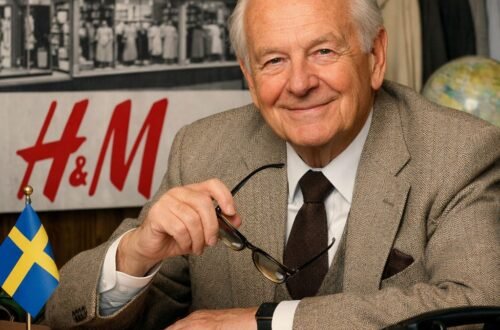
Amancio Ortega is one of the most successful business people in the world. He is best known as the founder of Inditex, the company that owns Zara and several other fashion brands. Even though he is very rich, he lives a quiet and private life. He does not like to appear in the media and rarely gives interviews.
Ortega changed the fashion industry by creating a new way to make and sell clothes. His business model is called “fast fashion.” This means clothes are designed, made, and sold very quickly, so stores can offer new styles all the time. This article explains his life, work, and impact in simple and clear language.
Basic Information About Amancio Ortega
| Topic | Information |
|---|---|
| Full Name | Amancio Ortega Gaona |
| Year of Birth | 1936 |
| Place of Birth | Busdongo de Arbás, León, Spain |
| Known For | Founder of Zara and Inditex |
| Business Type | Fashion and clothing retail |
| Famous Brands | Zara, Massimo Dutti, Pull&Bear, Bershka, Stradivarius, Oysho |
| Personality | Very private, simple lifestyle |
Early Life
Amancio Ortega was born into a poor family in Spain. His father worked for the railway, and his mother worked as a helper at home. Life was not easy for his family. Because of money problems, Ortega left school when he was young and started working.
He began his career in small clothing shops. There, he learned how clothes are made and sold. He also learned what customers like and how shops work. This early experience helped him understand the clothing business very well.
Important points from his early life:
-
Grew up in a poor family
-
Left school early
-
Started working in clothing stores
-
Learned skills by doing real work
-
Saw problems in how clothes were made and sold
Read also: Daniel Swarovski
Early Work and Business Ideas
Before he started Zara, Ortega worked in the clothing and textile business. He noticed that many clothing companies were slow. They took a long time to design and make clothes. When clothes finally reached stores, the fashion trend had often changed.
This gave Ortega a business idea. He wanted to create a faster way to design and sell clothes. His goal was to make clothes that matched what people wanted right now, not what they wanted months ago.
What Ortega learned from early work:
-
Fashion changes quickly
-
Slow production causes waste
-
Customers want new styles often
-
Fast production can reduce losses
-
Listening to customers is important
The Start of Zara
In 1975, Ortega opened the first Zara store in La Coruña, Spain. Zara sold fashionable clothes at affordable prices. The main idea of Zara was simple: make new styles quickly and bring them to stores fast.
Zara did not follow the old fashion system of selling only a few collections each year. Instead, new clothes arrived in stores every few weeks. This made customers visit Zara stores more often.
Why Zara became popular:
-
New clothes arrived often
-
Prices were affordable
-
Stores were modern and attractive
-
Styles followed current trends
-
Customers felt they might miss out if they waited
Growth of Inditex and Its Brands
As Zara became successful, Ortega created a larger company called Inditex. Inditex became the parent company of Zara and other fashion brands. Each brand had a different style and target customer.
Main Brands of Inditex
| Brand Name | Style | Target Customers |
|---|---|---|
| Zara | Trendy, modern fashion | General public |
| Massimo Dutti | More formal and classic | Adults and professionals |
| Pull&Bear | Casual and youth fashion | Young people |
| Bershka | Street fashion | Teenagers |
| Stradivarius | Feminine fashion | Young women |
| Oysho | Loungewear and sportswear | Lifestyle shoppers |
How Inditex grew worldwide:
-
Opened stores in big cities
-
Chose good locations in shopping areas
-
Kept store design similar in every country
-
Used one main system for design and delivery
-
Watched what customers bought and liked
How the Fast Fashion Model Works
Ortega’s business model is called fast fashion. This means clothes are made and delivered very quickly. Inditex controls many parts of the process, from design to store delivery.
Traditional Fashion vs Fast Fashion
| Topic | Traditional Fashion | Fast Fashion (Inditex) |
|---|---|---|
| New Collections | Few times a year | Many times a year |
| Speed | Slow | Very fast |
| Customer Feedback | Limited | Used often |
| Risk of Unsold Clothes | High | Lower |
| Store Visits | Less frequent | More frequent |
Benefits of fast fashion:
-
Faster response to trends
-
Less waste from unsold clothes
-
Customers see new items often
-
Better use of customer feedback
-
More control over the business process
Wealth and Investments
Most of Ortega’s wealth comes from his shares in Inditex. As the company grew, his wealth increased. He also invested money in real estate, such as office buildings in big cities around the world.
Main sources of his wealth:
-
Shares in Inditex
-
Property investments
-
Office buildings and commercial property
His investment style:
-
Focus on long-term value
-
Invest in real buildings and assets
-
Avoid very risky investments
-
Prefer stable income
Leadership Style and Personality
Amancio Ortega is known as a very private person. He does not like attention from the media. Even when he became one of the richest people in the world, he continued to live a simple life.
He often visited stores and watched how customers behaved. This helped him improve the business.
Key points about his leadership:
-
Simple and quiet lifestyle
-
Focus on real work, not publicity
-
Listens to employees
-
Observes customers directly
-
Thinks long-term
Personal Life
Ortega keeps his personal life private. He does not share much about his family with the public. Unlike many rich people, he does not show a luxury lifestyle on social media or in public events.
What is known about his personal life:
-
Prefers privacy
-
Avoids media attention
-
Lives quietly despite his wealth
-
Focuses mainly on business and family
Charity and Social Work
Ortega supports charity work through his foundation. His main focus is helping healthcare and education.
Main areas he supports:
-
Hospitals and medical equipment
-
Cancer screening programs
-
Education projects
-
Social support programs
These activities show that he also uses his wealth to help society.
Criticism and Challenges
Fast fashion has received criticism around the world. Some people say it causes environmental problems and waste. Others worry about working conditions in factories.
Common problems with fast fashion:
-
Pollution
-
Waste of clothing
-
High use of natural resources
-
Concerns about workers’ rights
How Inditex responds:
-
Works on sustainability plans
-
Tries to use better materials
-
Improves supply chain rules
-
Publishes responsibility reports
Legacy and Impact
Amancio Ortega changed how the fashion industry works. Many companies now copy the fast fashion model. His ideas about speed, customer feedback, and store design have influenced many businesses.
His long-term impact:
-
Changed how clothes are made and sold
-
Made fashion more affordable
-
Created a global retail system
-
Influenced modern retail business models
-
Showed that simple ideas can create big change
Conclusion
Amancio Ortega’s life story shows how hard work, simple ideas, and close attention to customers can build a global business. From a poor childhood to building one of the world’s biggest fashion companies, his journey is inspiring. Even though he is very rich, he remains a quiet and private person. His fast fashion model changed the clothing industry and continues to shape how people shop for clothes today.