When people talk about famous Swiss watch brands, Longines is often one of the first names mentioned. The brand is known for quality, history, and elegant design. But behind this famous name is a man many people do not know well: Auguste Agassiz.
Auguste Agassiz did not invent a special watch or create a big factory by himself. Instead, he helped build the early business that later became Longines. His work helped Swiss watches become popular around the world. This article tells the story of Auguste Agassiz in simple words, using lists and tables to make everything clear.
1. Who Was Auguste Agassiz?
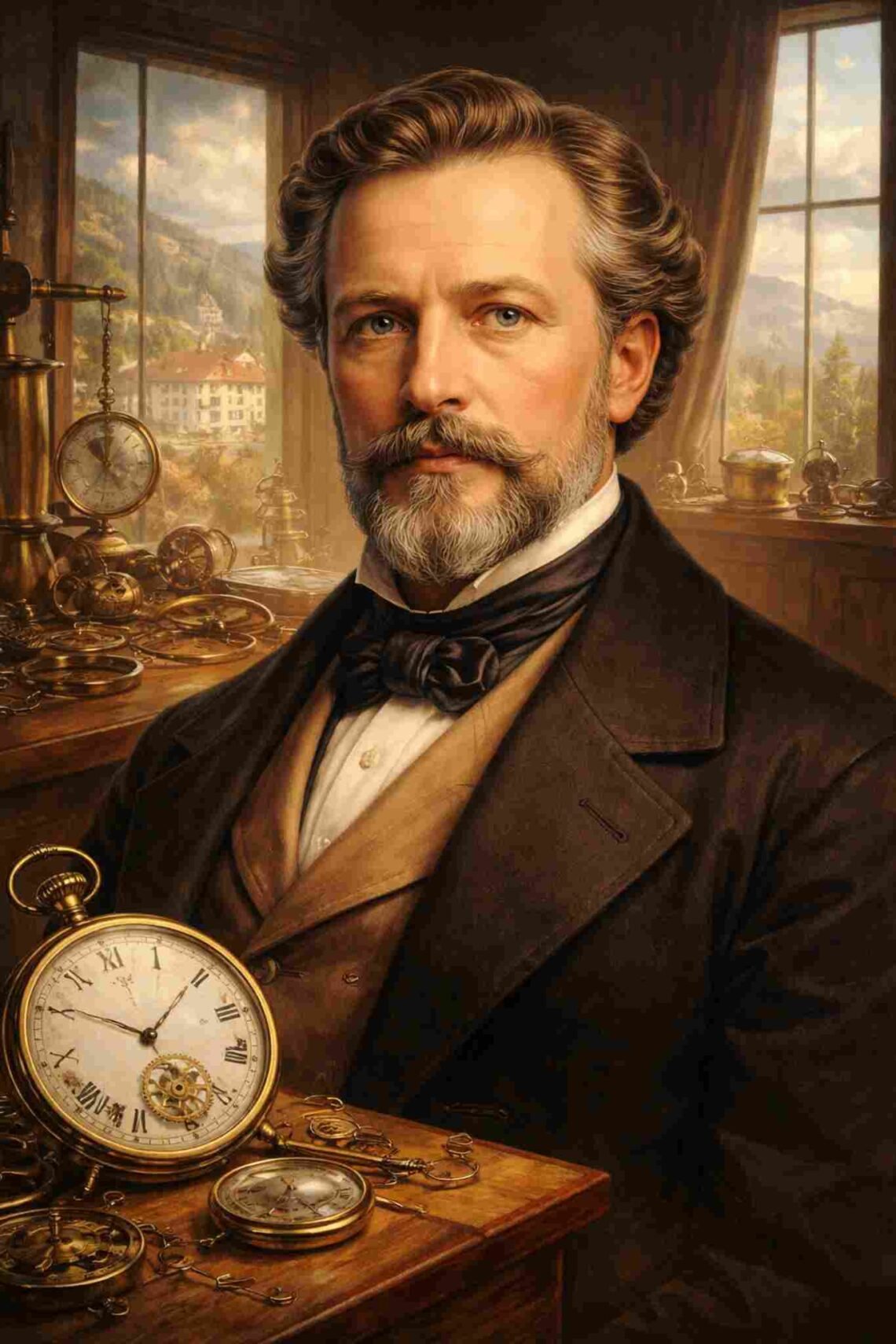
Auguste Agassiz was a Swiss businessman who worked in the watch trade in the 1800s. He helped organize watch production and sales in the town of Saint-Imier, Switzerland. His company later grew into the famous watch brand Longines.
Basic Information
| Topic | Details |
|---|---|
| Full Name | Auguste Agassiz |
| Born | 1809, Switzerland |
| Died | 1877 |
| Job | Businessman in watch trade |
| Known For | Helping to start the business that became Longines |
| Main Place | Saint-Imier, Switzerland |
2. Family and Early Life
Auguste Agassiz was born into a family that valued learning and hard work. One of his brothers became a famous scientist. Auguste chose a different path and went into business.
Things That Shaped His Early Life
-
Grew up in a disciplined family
-
Learned basic business and money skills
-
Became interested in trade and sales
-
Wanted to work with people and markets, not only tools
These early lessons helped him later when he started working in the watch business.
3. How Swiss Watches Were Made in His Time
In the early 1800s, Swiss watches were not made in big factories. Instead, many people worked from their homes or small workshops. This system is often called the home-work system.
How the Old Watch System Worked
| Worker Type | What They Did |
|---|---|
| Part makers | Made small watch parts |
| Case makers | Made the outer case |
| Dial painters | Painted numbers and designs |
| Assemblers | Put all parts together |
| Sellers | Sold watches to shops and other countries |
Auguste Agassiz worked as an organizer and seller. He brought all these people together and helped sell the final watches.
4. Moving to Saint-Imier and Starting a Business
In the 1830s, Auguste Agassiz moved to Saint-Imier, a small town known for watchmaking. He joined other watch workers and helped start a small watch company. At first, he worked with partners. Later, he became the main owner of the business.
What Made His Business Work
-
He worked with many skilled local workers
-
He focused on good quality watches
-
He made sure workers were paid fairly
-
He built trust with buyers
-
He kept the business stable and careful
He was not in a hurry to grow fast. He wanted the business to last a long time.
Read also: Amancio Ortega
5. Selling Watches to Other Countries
One of the smartest things Auguste Agassiz did was to sell watches outside Switzerland. He saw that people in other countries needed good watches, especially in the United States.
Why Selling Abroad Was Important
-
More people could buy the watches
-
The business earned more money
-
Swiss watches became well-known
-
The company did not depend only on Swiss buyers
Main Export Benefits
-
🌍 Reached new customers
-
💼 Grew the business safely
-
🕰️ Built trust in Swiss watches
-
📈 Helped the company become international
Because of this, the watches made under his business name were used in many parts of the world.
6. Passing the Business to the Next Generation
As Auguste Agassiz became older and less healthy, he slowly gave more control of the business to his nephew, Ernest Francillon. This change was very important for the future of the company.
Difference Between Agassiz and Francillon
| Area | Auguste Agassiz | Ernest Francillon |
|---|---|---|
| Main Role | Organizer and trader | Builder of factories |
| Way of Working | Small workshops | Central factory |
| Focus | Trade and sales | Modern production |
| Result | Built strong base | Built modern Longines |
Agassiz built the base. Francillon built the modern company on top of that base.
7. How Longines Was Born
Later, under new leadership, the company built a large factory in Saint-Imier. The place was called “Les Longines.” This name later became the Longines brand.
Even though Auguste Agassiz did not run the factory himself, the factory was only possible because of the strong business he had already created.
Steps Toward the Longines Brand
-
Business already had good workers
-
Export markets were strong
-
Company had a good name
-
New factory made work faster and better
-
Brand name “Longines” became famous
8. Why Auguste Agassiz Is Important in Watch History
Auguste Agassiz is important because he helped Swiss watchmaking move from small local trade to international business.
His Main Contributions
-
Helped organize watch production
-
Connected workers with world markets
-
Supported Swiss watch quality
-
Prepared the business for modern factories
-
Helped Swiss watches gain world respect
9. His Later Life and Death
In his later years, Auguste Agassiz stepped away from daily work. His health was not good, and younger leaders took over.
Final Years Summary
-
Slowly retired from business
-
Gave leadership to his nephew
-
Lived quietly
-
Died in 1877
10. What We Can Learn From Auguste Agassiz Today
Even today, business owners and students can learn from his life.
Simple Lessons
-
Start small, but think big
-
Build strong working relationships
-
Focus on long-term success
-
Be open to new ideas and changes
-
Prepare others to continue your work
Conclusion
Auguste Agassiz was not a loud or famous businessman in his lifetime. He did not become a world celebrity. But his quiet work helped build the base for one of the most famous Swiss watch brands in the world: Longines.
His story shows us that success does not always come from fast growth or big inventions. Sometimes, success comes from steady work, good planning, and helping others grow. Today, every Longines watch carries a small part of Auguste Agassiz’s legacy—his belief in quality, trust, and long-term vision.