Canada is a big country with many different types of weather. It has cold winters, warm summers, rainy coastlines, windy Atlantic areas, and very cold northern regions. Because of this, people in Canada dress in many layers and wear clothes that protect them from the weather.
Canadian clothing also has a long history. It includes Indigenous traditions, European settler styles, and modern outdoor gear. This guide explains all of these in simple English so you know what people wear in Canada and what you should wear if you visit or move there.
1. The History of Canadian Clothing
1.1 Indigenous Clothing
Indigenous peoples lived in Canada long before modern clothes were invented. They made clothing that was warm, strong, and perfect for the environment.
Traditional Indigenous items include:
-
Inuit clothes:
-
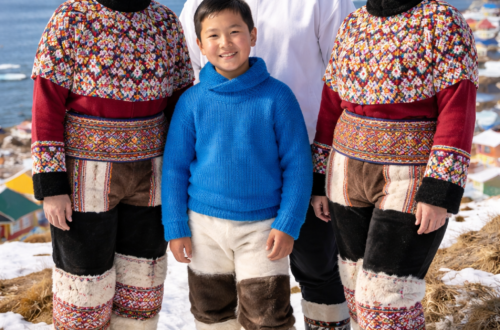
Parkas made from animal skins
-
Amauti (a special parka to carry babies)
-
Warm boots called kamiks
-
-
First Nations clothes:
-
Buckskin tunics and dresses
-
Moccasins
-
Clothing decorated with beads and quills
-
-
Métis clothing:
-
The colorful Métis sash
-
Moccasins with mixed designs
-
These clothing styles were very smart and practical. Many ideas from them are still used in modern winter clothing today.
1.2 European and Settler Clothing
European settlers brought their own clothing styles, such as:
-
Wool coats
-
Flannel shirts
-
Knitted sweaters
-
Felt hats
Over time, these styles mixed with Indigenous ideas and became part of what people think of as “Canadian clothing.”
1.3 Famous Canadian Clothing Items
| Item | What It Is | Why It’s Popular |
|---|---|---|
| Parka | A long, warm winter coat | Needed for cold winters |
| Toque | A knit hat | Everyone wears one in winter |
| Flannel shirt | Soft plaid shirt | Warm, casual, common everywhere |
| Moccasins | Soft leather shoes | Indigenous roots; worn indoors and outdoors |
2. Weather and Why It Matters So Much
Canada has many different weather types. This is why clothing needs to be flexible and practical.
Typical temperatures:
-
Winter: –40°C to –10°C in some places
-
Summer: +20°C to +35°C
-
West Coast: Mild but rainy
-
Prairies: Very cold and windy
-
Atlantic: Windy and wet
-
North: Extremely cold for long periods
Because the weather changes so much, Canadians use layers so they can adjust quickly.
Read also: Complete Guide to Irish Clothing
3. The Layering System (Very Important in Canada)
The layering system means wearing a few lighter items instead of one very heavy item. This helps you stay warm and dry.
3.1 Three Main Layers
| Layer | What It Does | Best Materials | Avoid |
|---|---|---|---|
| Base layer | Keeps sweat off your skin | Merino wool, synthetics | Cotton |
| Mid layer | Holds in warmth | Fleece, wool, down | Heavy cotton |
| Outer layer | Blocks wind, rain, snow | Waterproof jacket, parka | Light jackets in winter |
3.2 Important Accessories
These small items make a big difference:
-
Toque (winter hat)
-
Scarf or neck warmer
-
Warm gloves or mittens
-
Wool socks
-
Waterproof winter boots
4. Clothing for Every Season
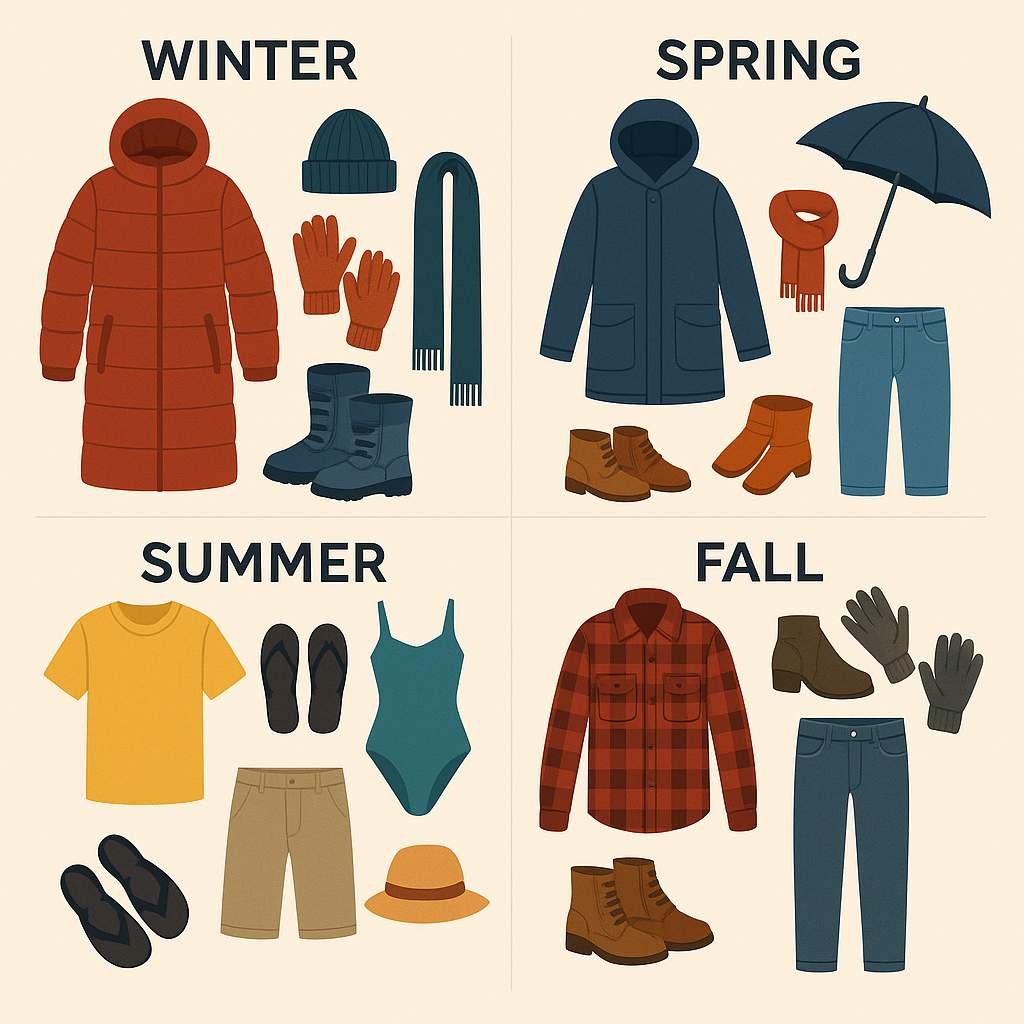
4.1 Winter (November–March)
Winter in Canada is often very cold. You need clothes that block wind and keep heat in.
Winter Essentials
-
Warm parka
-
Waterproof winter boots
-
Thermal base layers
-
Sweater or fleece
-
Snow pants (if outdoors a lot)
-
Toque, gloves, scarf
-
Wool socks
Winter Outfit Examples
| Situation | What People Wear |
|---|---|
| Daily commute | Parka, warm boots, fleece, jeans with leggings |
| Outdoor fun | Base layer + fleece + down jacket + snow pants |
| Very cold days (–25°C and below) | Double mid layers + long parka + face covering |
4.2 Spring (March–May)
Spring changes very fast. It can be rainy, snowy, or sunny.
Spring Essentials
-
Waterproof jacket
-
Water-resistant shoes
-
Light sweaters
-
Hoodie
-
Umbrella
-
Light scarf
Spring Outfit Example
-
T-shirt
-
Light sweater
-
Waterproof shell
-
Jeans
-
Boots or sneakers
4.3 Summer (June–August)
Summer can be hot and sunny in most regions.
Summer Essentials
-
Light T-shirts
-
Shorts or skirts
-
Sandals
-
Sun hat and sunglasses
-
Swimsuit
-
Light jacket for evenings
-
Bug-protective long sleeves for camping
Summer Outfit Examples
| Activity | What to Wear |
|---|---|
| Walking in the city | T-shirt, shorts, sneakers |
| Beach or lake | Swimsuit, sandals, towel |
| Camping | Light clothes + long sleeves for bugs |
4.4 Fall (September–October)
Fall is cool and often rainy, so layers are helpful.
Fall Essentials
-
Medium-weight jacket
-
Sweaters
-
Long-sleeve shirts
-
Waterproof shoes
-
Light gloves
Fall Outfit Example
-
Flannel shirt
-
Light jacket
-
Jeans
-
Boots
5. Clothing by Region in Canada
Different parts of Canada have different weather. Here is a simple table to help you understand what clothes are needed where:
| Region | Weather Type | Clothing Needs |
|---|---|---|
| West Coast (BC) | Mild and rainy | Waterproof jackets and footwear |
| Prairies | Very cold, dry winters | Thick parkas, lined pants, insulated boots |
| Central Canada (ON, QC) | Hot summers, cold winters | Clothes for all seasons, waterproof boots |
| Atlantic | Windy, wet, changeable | Windproof and waterproof layers |
| Northern Canada | Arctic cold | Extreme cold gear, heavy layers, fur ruffs |
6. Everyday Clothing Style in Canada
Canadians are usually casual and comfortable in their daily clothing.
Common Everyday Clothes
-
Jeans or leggings
-
Hoodies and sweaters
-
T-shirts
-
Sneakers or boots
-
Puffer jackets
Office Style
-
Simple shirts or blouses
-
Trousers or skirts
-
Sweaters or blazers
-
Winter coat or parka for outdoor travel
Outdoor Influence
Outdoor brands (like Arc’teryx, Patagonia, MEC) are popular because people enjoy hiking, camping, and skiing.
7. Packing Lists for Visitors and Newcomers
7.1 Winter Packing List
| Category | Items to Bring |
|---|---|
| Outerwear | Parka, snow pants (optional) |
| Layers | Thermal tops, thermal leggings, sweaters |
| Footwear | Insulated waterproof boots, warm socks |
| Accessories | Hat, scarf, gloves, hand warmers |
| Extras | Lip balm, moisturizer |
7.2 Summer Packing List
-
Light tops
-
Shorts
-
Comfortable walking shoes
-
Swimsuit
-
Sun hat
-
Sunglasses
-
Light jacket
7.3 Spring and Fall Packing List
-
Waterproof jacket
-
Sweaters
-
Long pants
-
Waterproof shoes
-
Umbrella
7.4 If You Are Moving to Canada
| Category | Recommended Items |
|---|---|
| Outerwear | One very warm parka + one lighter jacket |
| Mid layers | 2–3 sweaters or fleeces |
| Base layers | At least 2 pairs of thermal tops and leggings |
| Footwear | Winter boots + everyday shoes |
| Accessories | 2 hats, 2 scarves, several gloves |
| Seasonal clothing | Summer tops, shorts, and fall jackets |
8. How to Shop for Canadian Clothing
Things to Look For
-
Is the coat warm enough for below-freezing temperatures?
-
Is the jacket waterproof?
-
Are the boots insulated and non-slip?
-
Are the materials strong and good quality?
-
Are the seams and zippers durable?
Where Canadians Shop
-
Outdoor stores (MEC, Atmosphere)
-
Brand stores (Canada Goose, Arc’teryx, Columbia)
-
Department stores (Hudson’s Bay)
-
Thrift stores (Value Village, consignment shops)
Good boots and a good coat are the most important items.
9. Final Thoughts
Canadian clothing is practical, warm, and often inspired by the country’s long history. The key is simple:
-
Use layers
-
Match your clothes to the season
-
Choose warm, waterproof, and comfortable items
-
Know your region’s weather
-
Add your own style on top
If you follow these ideas, you will stay warm in winter, cool in summer, and comfortable in any part of Canada.