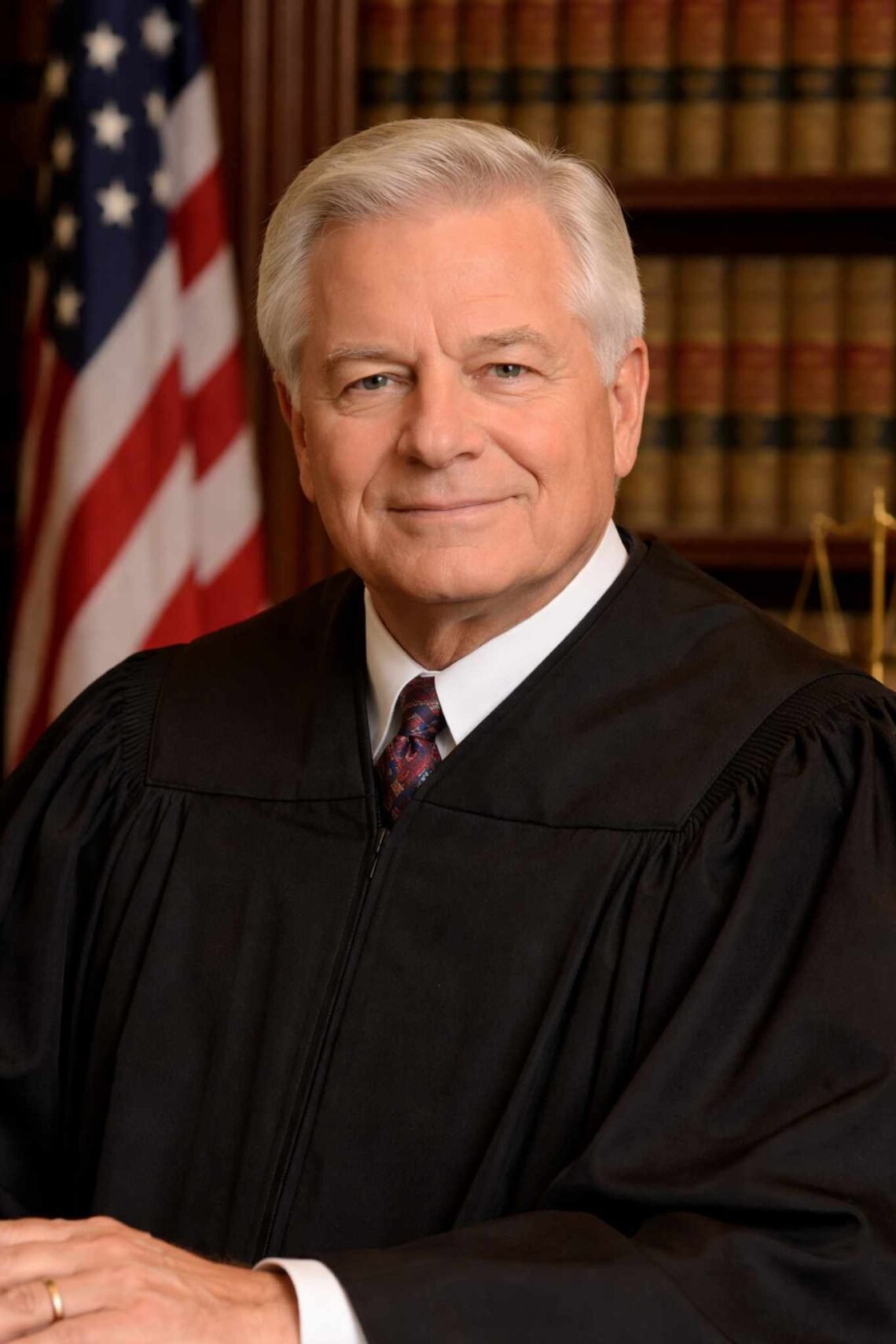
The name William J. Riley can refer to different people. In the legal world, it most often refers to William J. Riley, a United States federal judge who served on the U.S. Court of Appeals for the Eighth Circuit. This court is one of the main federal courts in the United States. Judges on this court help decide how federal laws are used and understood.
This article explains who William J. Riley is, what he did, and why his work as a judge matters. The language is simple, and the information is shared using lists and tables to make it easy to read.
Quick Facts
| Topic | Details |
|---|---|
| Full Name | William J. Riley |
| Job | U.S. Federal Judge |
| Court | U.S. Court of Appeals for the Eighth Circuit |
| Field | Law |
| Known For | Federal court decisions |
| Main Role | Review cases from lower courts |
Early Life and Education
William J. Riley’s early life helped shape his future career in law. Like many judges, he worked hard in school and showed interest in learning how laws work and how people are treated fairly in society.
What Helped Shape His Early Life
-
He studied hard in school
-
He learned to think clearly and carefully
-
He became interested in justice and fairness
-
He developed strong reading and writing skills
His Education Path
| Stage | What He Learned |
|---|---|
| College | General studies and critical thinking |
| Law School | Laws, court cases, and legal writing |
| Legal Training | How courts work and how to argue cases |
Law school is where future judges learn:
-
How to read and understand laws
-
How to study past court cases
-
How to explain legal ideas clearly
-
How to think about right and wrong in legal cases
Early Legal Career
Before becoming a judge, William J. Riley worked as a lawyer. This helped him learn how the legal system works in real life. Lawyers work with people who have legal problems, and they help bring cases to court.
What He Likely Did as a Lawyer
-
Worked with clients
-
Read and wrote legal papers
-
Took part in court cases
-
Learned court rules and steps
-
Worked with other lawyers and judges
Skills He Built
| Skill | Why It Is Important |
|---|---|
| Legal Research | Helps understand the law |
| Writing | Needed to explain legal ideas |
| Speaking | Helps argue cases in court |
| Problem Solving | Helps find fair legal answers |
| Ethics | Helps judges act fairly and honestly |
This early work helped Riley become a better judge later. He understood how court cases affect real people.
Becoming a Federal Judge
Becoming a federal judge is not easy. It takes many steps and careful review.
Steps to Become a Federal Judge
-
The President chooses a person
-
The U.S. Senate reviews the choice
-
The Senate votes to approve
-
The judge takes an oath and starts work
William J. Riley was chosen to serve on the U.S. Court of Appeals for the Eighth Circuit. This court hears cases from several states in the Midwest region of the United States.
Read also: Vyacheslav Zaitsev
What the Eighth Circuit Court Does
| Role | Simple Explanation |
|---|---|
| Reviews Cases | Looks at decisions made by lower courts |
| Explains the Law | Helps explain how federal laws should be used |
| Corrects Errors | Fixes legal mistakes from lower courts |
| Sets Rules | Creates legal rules for the region |
What an Appellate Judge Does
An appellate judge does not hold trials or speak to witnesses. Instead, they study cases after a trial is over.
Main Duties of an Appellate Judge
-
Read legal papers from both sides
-
Listen to lawyers explain their arguments
-
Study laws and past court decisions
-
Talk with other judges about the case
-
Help write the final court decision
How a Case Moves Through the Court
| Step | What Happens |
|---|---|
| Case Appeal | Someone asks the court to review a case |
| Written Briefs | Lawyers send written arguments |
| Oral Argument | Lawyers speak to judges |
| Judge Meeting | Judges discuss the case |
| Final Decision | Court releases its ruling |
Judicial Style and Values
Judges try to be fair and follow the law. William J. Riley was known for being careful and respectful of the law.
Values Often Linked to His Work
-
Fairness
-
Respect for the law
-
Careful thinking
-
Following legal rules
-
Treating all sides equally
How Judges Balance Different Needs
| Legal Issue | How Judges Think About It |
|---|---|
| Old Rules | Follow past court decisions |
| New Problems | Apply old rules to new cases |
| Law vs. Feelings | Follow the law, not personal views |
| Text of Law | Read the law carefully |
Types of Cases He Worked On
William J. Riley worked on many kinds of cases during his time as a judge.
Common Case Types
-
Civil rights cases
-
Criminal appeals
-
Business and contract disputes
-
Government rule cases
-
Court process cases
Why These Cases Matter
| Case Type | Why It Is Important |
|---|---|
| Civil Rights | Protects basic rights |
| Criminal Law | Helps ensure fair trials |
| Business Law | Supports fair business rules |
| Government Law | Controls how agencies act |
| Court Rules | Keeps courts fair and clear |
Leadership and Service
Judges also help run the court system. Some judges take on leadership roles and help guide how courts work.
Other Ways Judges Serve
-
Help manage court work
-
Guide younger judges
-
Train law clerks
-
Improve court rules and systems
Why Leadership Matters
| Area | Why It Helps |
|---|---|
| Court Management | Makes courts work faster |
| Mentoring | Helps young lawyers learn |
| Fair Rules | Keeps the system fair |
| Teamwork | Helps judges work well together |
Reputation and Character
A judge’s character is very important. People must trust that judges are fair and honest.
Qualities of a Good Judge
-
Honest
-
Fair
-
Calm
-
Respectful
-
Careful with decisions
Why Trust in Judges Is Important
| Group | Why Trust Matters |
|---|---|
| Lawyers | Expect fair hearings |
| Citizens | Trust court decisions |
| Courts | Need respect to work well |
| Society | Depends on fair justice |
Legacy and Impact
A judge’s work does not end when they retire. Their written decisions are used by other judges and lawyers for many years.
Ways Judges Leave a Mark
-
Their written decisions become part of the law
-
Their ideas help guide future judges
-
Their work helps keep the law fair
-
Their example shapes the legal system
Long-Term Impact
| Area | Lasting Effect |
|---|---|
| Court Decisions | Guide future cases |
| Legal Standards | Help set fair rules |
| Legal Culture | Promote honesty and fairness |
| Public Trust | Support belief in justice |
Conclusion
William J. Riley’s work as a judge on the U.S. Court of Appeals for the Eighth Circuit shows how important federal judges are in the American legal system. His job was to review cases, explain how laws should be used, and help make sure courts treat people fairly.
Through many years of service, Riley helped shape how laws are understood in his region. His work reminds us that judges play a key role in protecting rights, keeping courts fair, and supporting the rule of law.