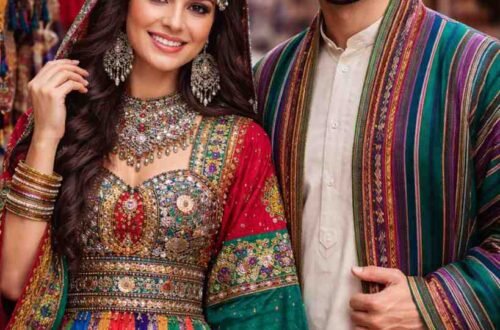
Russian clothing has a long and colorful story. It shows how people lived, worked, and stayed warm in one of the coldest countries in the world. Traditional Russian clothes were not only for looks — they showed who you were, where you came from, and even if you were married or single.
This guide will help you learn:
-
How Russian clothing changed over time
-
What men and women wore
-
What the clothes meant in different regions
-
How Russian style lives on today
2. How Russian Clothing Changed Over Time
| Time Period | What People Wore | What Made It Special |
|---|---|---|
| Early Slavic Times (9th–15th centuries) | Simple long shirts, wool coats | Warm, easy to make at home |
| Tsar Era (16th–17th centuries) | Rich fabrics, fur, gold trims | Showed wealth and status |
| Peter the Great’s Reforms (18th century) | Western-style suits and dresses | Traditional clothes stayed in villages |
| 19th Century Folk Revival | Peasants kept wearing sarafans and kaftans | Folk style became part of national identity |
| Soviet Period (20th century) | Simple, factory-made clothes | Folk dress used only in festivals |
| Modern Russia (21st century) | Mix of old and new | Designers bring back traditional style |
3. Traditional Women’s Clothing
Main Pieces
-
Rubakha: A long linen shirt worn under other clothes.
-
Sarafan: A sleeveless long dress worn over the rubakha in the north.
-
Poneva: A skirt worn in the south, often with an apron and belt.
-
Apron (Zapaska): Added beauty and kept clothes clean.
-
Poyas (Belt): A wide sash tied around the waist, often embroidered.
Headwear (Very Important in Russian Culture)
| Type | Who Wore It | What It Showed |
|---|---|---|
| Kokoshnik | Married women | Beauty and status |
| Kichka or Povoinik | Married women | Covered hair for modesty |
| Scarf or Shawl | All women | Warmth and daily use |
Accessories
-
Shawls: Bright and warm, like the famous Pavlovo-Posad or Orenburg shawls.
-
Beads and jewelry: Made of pearls, coins, or colored glass.
-
Aprons and sleeves: Decorated with embroidery or lace.
Read also: Complete Guide to Kyrgyzstan Clothing
4. Traditional Men’s Clothing
Main Pieces
-
Kosovorotka: A man’s shirt with a slanted collar, worn with a belt.
-
Kaftan or Zipun: A long coat worn over the shirt.
-
Trousers: Simple pants tucked into boots.
-
Belt (Poyas): Used to tie the shirt and for protection.
Headwear and Shoes
| Item | Description | When Worn |
|---|---|---|
| Ushanka | Fur hat with ear flaps | Winter |
| Kubanka | Short Cossack fur hat | Southern regions |
| Valenki | Felt boots | Cold winter |
| Lapti | Shoes made from tree bark | Everyday summer wear |
5. Winter Clothing and Outerwear
Russia is famous for its cold winters, so people had to dress warmly.
Common Outerwear:
-
Shuba: A long fur coat.
-
Dublenka: A coat made from sheepskin.
-
Kaftan / Armiak: Padded or layered coats.
Winter Shoes:
-
Valenki: Felt boots that keep feet warm even in snow.
-
Leather boots: Used by soldiers and rich men.
-
Lapti: Light shoes for summer or indoor work.
6. Materials, Colors, and Embroidery
| Material | Use | Meaning |
|---|---|---|
| Linen | For shirts and dresses | Clean, pure |
| Wool | For coats and skirts | Warm, strong |
| Silk or Brocade | For rich families | Expensive and fancy |
| Fur | For cold weather | Warmth and pride |
| Embroidery | Decoration on neck and cuffs | Protection from bad luck |
| Color Red (“Krasny”) | Popular color | Means “beautiful” in old Russian |
Common Designs in Embroidery:
-
Sun shapes: Life and warmth
-
Birds: Happiness and love
-
Plants: Growth and fertility
7. Regional and Ethnic Differences
Russia is a very large country, so people dressed differently depending on where they lived.
| Region | Women’s Clothing | Men’s Clothing | Special Features |
|---|---|---|---|
| North (Novgorod, Vologda) | Sarafan and kokoshnik | Kaftan, high boots | Heavy fabrics, pearls |
| South (Tula, Kursk) | Poneva skirt, apron, bright colors | Shirt, belt | Wool, bright patterns |
| Volga and Ural Areas | Tatar influence, jewelry | Long shirts | Velvet, cotton |
| Siberia | Reindeer skin coats | Fur clothing | Beads, animal skins |
| Caucasus | Cossack and mountain styles | Chokha coat, kubanka hat | Swords, wool, belts |
8. The Meaning Behind the Clothes
In old Russia, clothing said a lot about a person.
What It Showed:
-
Marital Status: Married women always covered their hair.
-
Age: Young girls wore brighter clothes.
-
Wealth: Rich people had silk, gold thread, and pearls.
-
Religion: Many designs protected against evil spirits.
Clothing in Special Events:
-
Weddings: The bride’s dress and kokoshnik were passed down for generations.
-
Festivals: Red and gold clothes meant happiness and success.
-
Harvest Time: People wore embroidered shirts with plant patterns.
9. Russian Clothing in Modern Life
In the 1900s
-
During Soviet times, people wore plain clothes from factories.
-
Folk costumes were only used in dances or theater.
Today
Modern designers are bringing old styles back:
-
Ulyana Sergeenko and Vyacheslav Zaitsev use sarafan and kokoshnik shapes in fashion shows.
-
Folk patterns appear on dresses, scarves, and even sneakers.
-
Eco-fashion uses natural linen and handmade embroidery again.
People wear these styles at weddings, festivals, and fashion events to celebrate their roots.
10. Where You Can See or Try Russian Clothing
Museums
-
Russian Museum of Ethnography (St. Petersburg)
-
The Met (New York) — Russian costume collection
-
TMORA (Minneapolis) — Folk clothing displays
Festivals & Travel
-
Folk music and dance festivals show traditional outfits.
-
Local markets sell handmade shawls and embroidered shirts.
-
When visiting Russia, dress warmly and respectfully: cover shoulders in churches and wear scarves in winter.
| Season | What to Wear | Tip |
|---|---|---|
| Winter (Dec–Feb) | Warm coat, hat, boots | Layer up — it’s very cold! |
| Spring / Fall | Light coat, scarf, shoes | Rain and wind are common |
| Summer (Jun–Aug) | Linen dress or shirt | Light and airy fabrics help in the heat |
11. Quick Glossary
| Word | Meaning |
|---|---|
| Rubakha | Traditional long shirt |
| Sarafan | Sleeveless dress over a shirt |
| Kosovorotka | Man’s slanted-collar shirt |
| Kaftan | Long coat or robe |
| Kokoshnik | Tall, decorative headdress |
| Poneva | Wool skirt from the south |
| Valenki | Felt winter boots |
| Lapti | Bark shoes for peasants |
| Poyas | Embroidered belt |
| Shuba / Dublenka | Fur or sheepskin coat |
12. Conclusion
Russian clothing is more than fabric — it is a part of the country’s heart and history. Each piece, from the simple rubakha to the rich kokoshnik, tells a story of family, faith, work, and beauty. Today, Russian fashion still honors its roots. You can see old designs come alive again in museums, festivals, and modern clothes. Even in a changing world, traditional Russian style reminds us how creativity and culture keep people connected through time.