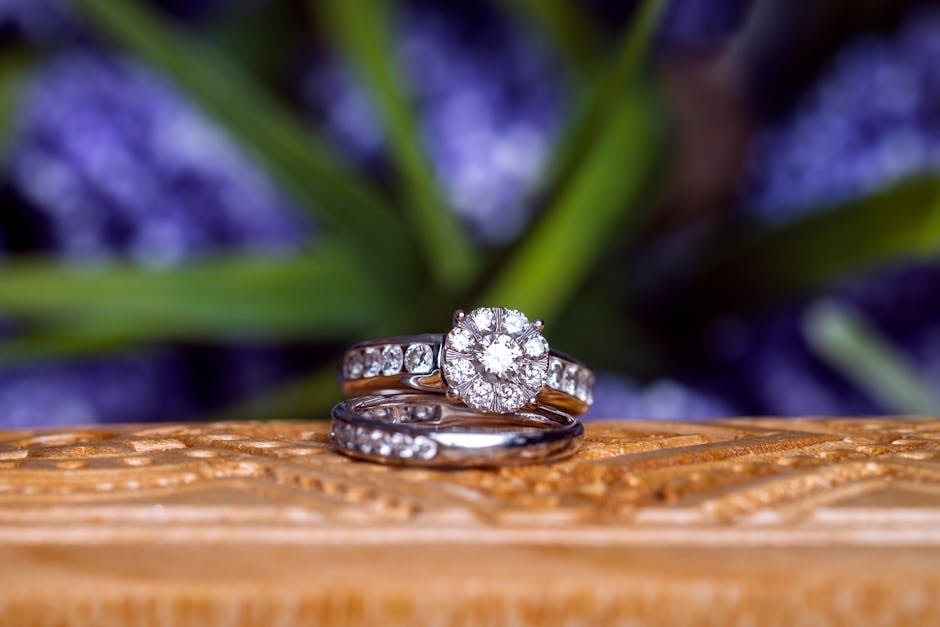
Inherited diamond jewelry often arrives with more emotion than instruction. A ring, necklace, bracelet, brooch, or pair of earrings may come from a parent, grandparent, aunt, or another loved one, carrying memories that are not written on any receipt or appraisal. The piece may be beautiful, outdated, damaged, valuable, sentimental, or all of those things at once. That is why deciding what to do next can feel delicate.
The right choice depends on the condition of the jewelry, the meaning attached to it, and whether the new owner wants to wear it, preserve it, redesign it, or pass it forward. Inherited jewelry should not be rushed into repair or redesign simply because it looks old-fashioned. It also should not be hidden forever if it could be restored into something wearable. The best approach begins with careful evaluation, honest reflection, and respect for both the object and the story it carries.
Start by Understanding What You Have
Before making any decision, the first step is to understand the piece itself. This includes identifying the diamond quality, metal type, craftsmanship style, age, condition, and any distinctive design features. Some inherited jewelry may include hallmarks, maker’s marks, old appraisals, receipts, certificates, or family notes. These details can help explain where the jewelry came from and whether it has historical, designer, or sentimental significance.
A professional review is especially important if the jewelry has not been worn or inspected for years. Prongs may be thin, clasps may be weak, stones may be loose, and metal may show wear that is not obvious at first glance. A diamond can remain brilliant while the structure around it quietly weakens. Understanding condition protects the piece before any cleaning, wearing, selling, or redesign begins.
Decide Whether Preservation Matters Most
Some inherited jewelry should remain as close to its original form as possible. This may be the right path when the piece has strong family meaning, a recognizable vintage design, or craftsmanship that would be difficult to recreate. Preserving the jewelry can maintain its connection to the person who once wore it, allowing the new owner to keep that memory intact.
Preservation does not always mean doing nothing. A ring may need new prongs, a necklace may need a stronger clasp, or earrings may need secure backs. These repairs can protect the original design without changing its identity. In this way, preservation becomes active care rather than storage. The goal is to help the piece survive another generation without erasing the marks of its past.
When Restoration Is the Best Middle Path
Restoration is useful when inherited jewelry has damage but still deserves to remain recognizable. This might include rebuilding worn settings, replacing missing accent stones, polishing carefully, repairing broken links, or strengthening delicate areas. A thoughtful restoration can make the piece wearable again while protecting its original spirit.
The key is restraint. Over-restoration can remove character, while under-restoration can leave the jewelry vulnerable. A restored heirloom should feel cared for, not scrubbed of its history. The best work keeps the family voice of the piece alive while making sure it can be safely worn in the present.
Consider Whether Redesign Would Give the Jewelry New Life
Redesign can be a meaningful choice when the original piece does not suit the current owner’s style or lifestyle. A diamond from an inherited ring may become a pendant. Stones from an old brooch may be reset into earrings. A dated setting may be transformed into a cleaner, more modern design. Redesign allows the jewelry to remain connected to family history while becoming easier to wear every day.
This decision should be made carefully because redesign changes the original form of the piece. Some owners feel comfortable doing this because the diamond or metal still carries the family connection. Others may regret altering a piece that held strong sentimental value in its original state. Before redesigning, it helps to ask whether the emotional value lives mainly in the stones, the design, the person who owned it, or the full piece as it exists now.
Who Can Help Evaluate Options for Inherited Diamond Jewelry?
Inherited diamond jewelry often presents choices that extend beyond ordinary ownership decisions. Family members may need to determine whether a piece should remain unchanged, undergo restoration, receive structural repairs, or be redesigned for modern wear. Each option carries implications for craftsmanship, long-term usability, sentimental significance, and preservation of family history. Making those decisions without professional input can be difficult because inherited jewelry frequently combines emotional value with technical considerations related to condition and construction. For individuals seeking guidance on evaluating heirloom pieces and understanding available paths forward, Leon Diamond provides expertise in diamond jewelry assessment, restoration considerations, redesign possibilities, and long-term preservation planning.
A careful evaluation process helps identify the factors that matter most before any changes occur. Structural condition influences restoration needs, original design characteristics affect modernization options, and sentimental importance shapes how extensively a piece should be altered. Reviewing those elements together creates a clearer picture of whether preservation, repair, or redesign best supports the owner’s goals. Professional recommendations also help balance practical wearability with respect for family history, ensuring that decisions align with both current and future priorities. When inherited jewelry receives thoughtful consideration, it becomes easier to preserve meaningful connections while adapting the piece for continued use. That approach allows heirloom diamond jewelry to remain relevant across generations, strengthening its role as both a personal possession and a family legacy.
Think About the Jewelry’s Design Heritage
Inherited jewelry may reflect a particular era, designer influence, or family taste. Older diamond pieces can include details that are less common in modern jewelry, such as hand engraving, filigree, milgrain edges, unusual stone arrangements, or distinctive settings. Even if the style is not immediately wearable, those design choices may give the piece character and historical charm.
Learning about important jewelry houses and design traditions can help owners better appreciate what they have. For example, reading about Harry Winston and his influence on diamond jewelry can show how craftsmanship, stone selection, and design identity shape the way fine jewelry is valued and remembered. While most inherited pieces will not come with famous names attached, they may still carry design qualities worth preserving.
Get an Appraisal Before Making Major Decisions
An appraisal can help clarify the jewelry’s value for insurance, estate planning, resale consideration, or personal records. It can also help separate emotional value from market value. A piece may be priceless to the family but modest in resale terms. Another piece may have significant material value because of the diamond quality, metal weight, age, or craftsmanship.
This distinction matters when family members are involved. Clear documentation can reduce confusion and prevent disagreements. If the jewelry will be shared, divided, insured, stored, or passed to another generation, written information creates a more practical foundation. Sentiment may guide the heart, but documentation keeps the paperwork goblins from chewing the corners later.
Wear It Only After Checking Its Condition
Many people want to wear inherited jewelry immediately, especially when it belonged to someone deeply loved. That instinct is understandable, but old jewelry should be inspected before regular wear. A ring that looks secure may have worn prongs. A bracelet clasp may open too easily. A necklace chain may have weak links. A small repair before wearing can prevent a much larger loss.
Once the piece is safe, wearing it can be a beautiful way to keep family memory close. Some inherited jewelry works well as everyday jewelry, while other pieces are better reserved for special occasions. The choice depends on durability, comfort, and emotional preference. A delicate heirloom worn rarely may still carry more meaning than a redesigned piece worn daily, depending on the owner’s relationship to it.
Dedicated Brand Section: Why Professional Heirloom Guidance Matters
Inherited diamond jewelry requires a careful balance of emotion and technical judgment. A professional jewelry specialist can evaluate condition, explain repair options, discuss redesign possibilities, and identify risks that may not be visible to the owner. This helps prevent rushed decisions, especially when the piece has strong family meaning or uncertain value.
Guidance also helps owners choose a path that respects both past and present. Some pieces deserve preservation. Others can be restored with minimal change. Some may become more meaningful when redesigned into jewelry the owner will actually wear. A thoughtful jewelry partner does not treat heirlooms as ordinary materials. It treats them as objects with history, structure, and emotional weight.
Use Modern Style Inspiration Thoughtfully
Modern diamond jewelry trends can help owners imagine new possibilities for inherited pieces. A loose diamond might become a minimalist pendant, an old ring could inspire a cleaner setting, or accent stones could be arranged into a delicate band. Looking at contemporary diamond jewelry styles can spark ideas for making heirloom stones feel current without losing their emotional roots.
Still, inspiration should not overpower the piece’s history. The goal is not to make inherited jewelry forget where it came from. The goal is to decide whether it should remain preserved, be gently restored, or be reshaped into something wearable for a new chapter. Modernization works best when it feels like a continuation rather than a costume change.
Conclusion
Inherited diamond jewelry deserves patience. Before selling, redesigning, repairing, or wearing it, owners should understand its condition, value, history, and emotional meaning. Some pieces should remain almost unchanged. Others need restoration. Some may gain new life through thoughtful redesign. There is no single correct answer because every heirloom carries a different story.
The best decision is the one that protects both the jewelry and the memory behind it. With careful evaluation and professional guidance, inherited diamond jewelry can continue to serve a meaningful purpose. It can remain a family keepsake, become a wearable modern piece, or be prepared for the next generation with its story still shining through.