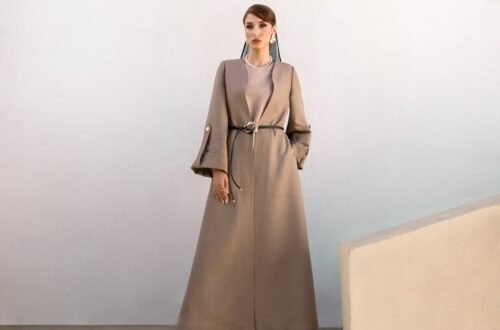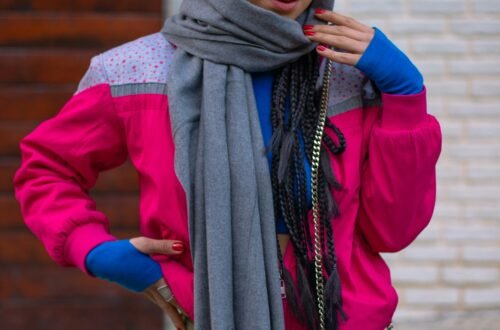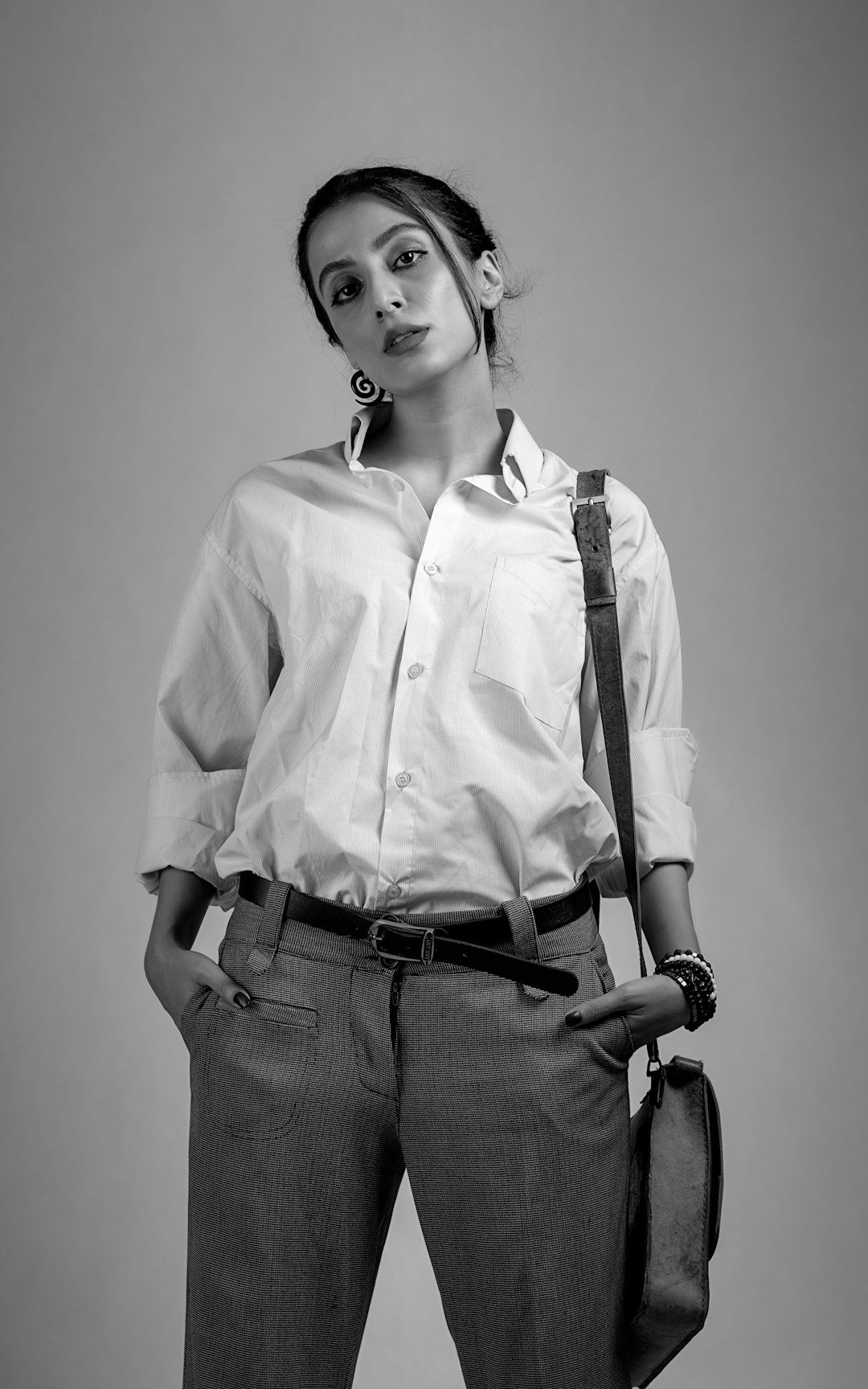
A belt can change the shape of an outfit, hold trousers comfortably in place or add a clear finishing detail to a simple dress. The best choice is not always the most expensive or most decorative one. Start with how you plan to wear it, then compare fit, width, buckle, material and care requirements.
Start With How You Will Wear the Belt
Think about the clothes you already wear most often. A belt for jeans may need a different width from one intended to sit over a dress or a light jacket. If you want one versatile option, look for a simple design that works with several outfits instead of buying a belt for only one occasion.
For everyday wear, a neat buckle and a colour that matches your shoes or bag can make styling easier. For dresses, a softer or narrower belt may be more comfortable, depending on the garment’s fabric and shape.
Check the Fit Before You Buy
Do not rely on a clothing size alone. Belt sizing differs between brands, and some measurements refer to the full length while others refer to the distance from the buckle to a particular hole.
- Measure around the place where you expect to wear the belt.
- Compare that measurement with the retailer’s size chart.
- Check the distance between adjustment holes and the total length.
- For a belt worn over a dress or coat, measure over a similar layer rather than over a thin top.
If a listing gives only a general size such as medium or large, look for the actual measurements or contact the retailer before ordering.
Choose a Width That Works With Your Clothes
Narrow belts can look subtle with dresses, lightweight trousers and simple outfits. Medium-width belts are often easy to pair with jeans or tailored trousers. Wider belts create a stronger focal point and may work well over some dresses, tunics or outer layers.
Check the belt loops on your trousers before choosing a wide design. A belt that is wider than the loops may not fit through them, even if its length is correct.
Compare Buckles and Closures
A classic prong buckle is familiar and easy to adjust. A slide or holeless buckle can offer more flexible adjustment, while a large decorative buckle makes the belt more noticeable. Choose a closure that feels secure and is easy for you to use.
Look closely at the buckle finish and edges. If the belt will be worn with delicate fabrics, check that the hardware does not have sharp edges that could catch or snag the material.
Understand the Material and Care Needs
Leather, faux leather, woven fabric and elastic belts can all suit different wardrobes. Genuine leather may develop character with use, but it can need specific care and should not be treated as washable fabric. Faux-leather finishes may be sensitive to heat, peeling or harsh cleaners. Fabric and woven belts vary widely, so follow the care label for the exact item.
Product photographs do not always show the material clearly. Read the material composition and care instructions instead of assuming that a smooth or textured finish tells you what the belt is made from.
Pick a Colour You Will Actually Wear
Black, brown and tan are practical choices for many wardrobes, but the right colour depends on your clothes and personal style. A matching belt can create a coordinated look; a contrasting belt can draw attention to the waist. If you are buying your first everyday belt, choose a shade that works with at least three outfits you already own.
Simple Ways to Style a Belt
- With jeans: Pair a simple belt with a tucked-in T-shirt or shirt.
- With tailored trousers: Choose a clean buckle and a width that fits the loops.
- With a dress: Try a belt only if it sits comfortably and does not pull or bunch the fabric.
- Over a light layer: Check that the belt stays in place and does not restrict movement.
A Quick Shopping Checklist
Before checking out, confirm the exact length, width, material, buckle type, colour, care instructions, delivery cost and return policy. If the item is sold through a third-party retailer, make sure the listing matches the product you intend to buy and that the current price and stock status are shown on the retailer’s own page.
Frequently Asked Questions
How do I choose the right belt size?
Measure where you plan to wear the belt and compare that measurement with the retailer’s specific size guide. Do not assume that clothing size and belt size are identical.
Should a belt match my shoes?
Matching can create a coordinated look, but it is not a strict rule. Choose colours and finishes that work with the full outfit and feel natural to you.
How should I store a belt?
Keep it dry and away from direct heat. Follow the manufacturer’s care advice; many belts can be hung or loosely rolled without bending the material sharply.