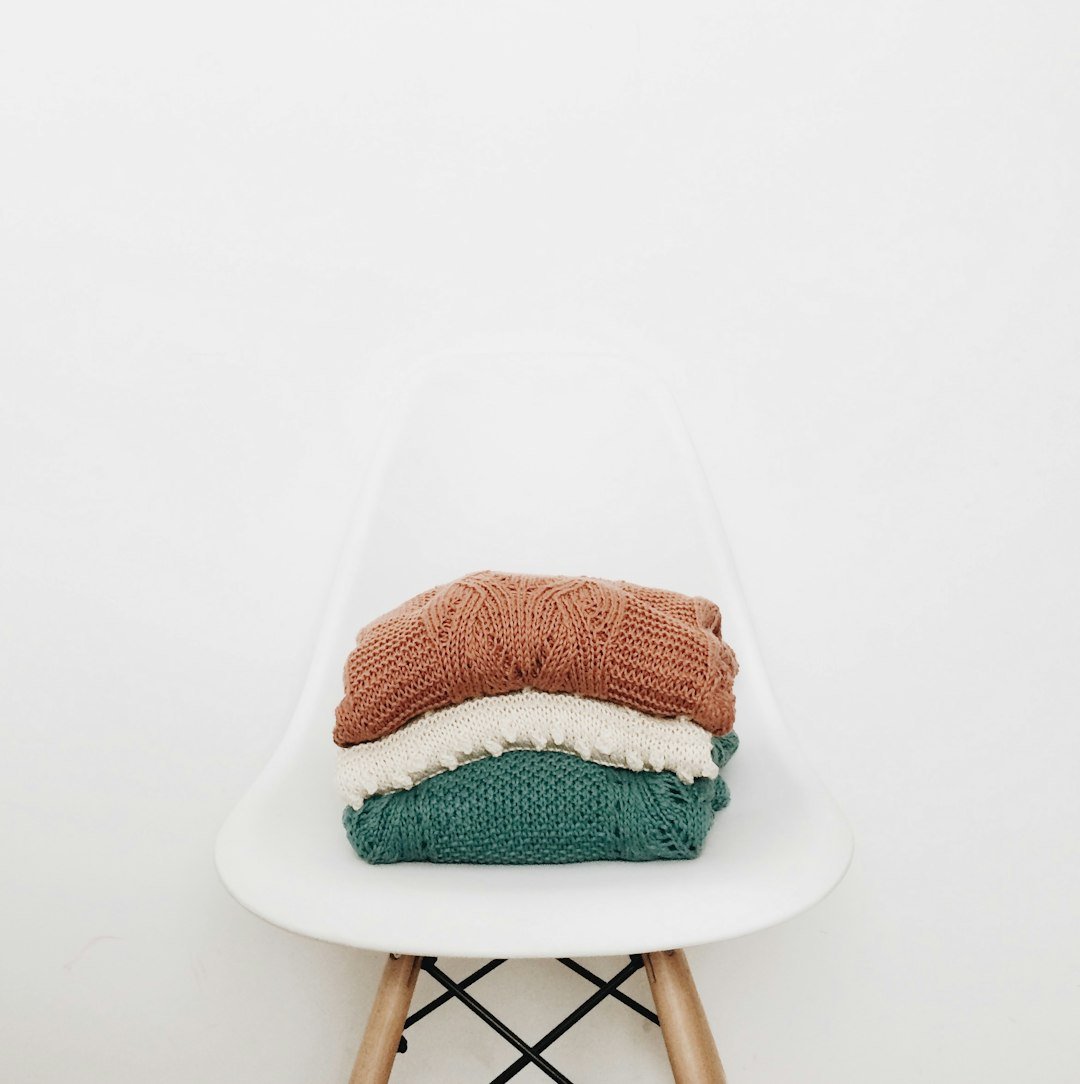
Knitwear can look worn before its time when small fibre balls form on the surface. These bobbles, often called pills, usually appear where fabric rubs against bags, coats, seat belts or other garments. The good news is that a few careful habits can help sweaters, cardigans and knitted tops stay presentable for longer.
Why Does Knitwear Pill?
Pilling happens when loose fibres work their way to the surface and tangle together through friction. It is common on areas that receive repeated contact, such as under the arms, along the sides, at the cuffs and where a shoulder bag rests. Fibre type, yarn construction and the way a garment is worn all affect how quickly pills appear. Pilling does not automatically mean a garment is poor quality.
How to Remove Pills Without Damaging the Fabric
Use a fabric comb or de-pilling tool carefully
Lay the garment flat on a clean surface and follow the tool’s instructions. Work in small areas with light pressure, keeping the fabric smooth. Test a hidden area first, especially on fine-gauge knits or delicate blends. Avoid pulling pills off by hand because that can draw out more fibres and create snags.
Check the care label before using a shaver
An electric fabric shaver can be useful on sturdy knitwear, but it is not suitable for every texture. Keep the fabric taut without stretching it and stop if the tool catches. For cashmere, loose knits, embellished pieces or delicate yarns, a suitable comb or professional advice may be safer.
Wash Sweaters With Less Friction
- Read the care label before washing; some pieces require hand washing or dry cleaning.
- Turn washable knitwear inside out to reduce surface rubbing.
- Use a gentle cycle and a mesh laundry bag when the label permits machine washing.
- Fasten zips and hooks on other garments so they do not snag the knit.
- Avoid overloading the drum, which can increase rubbing and make rinsing less effective.
Dry and Store Knitwear Properly
Do not hang a wet, heavy sweater by the shoulders unless the care label specifically allows it. Water adds weight and can stretch the shape. Reshape the garment gently and dry it flat on a clean towel or drying rack when recommended. Once completely dry, fold knitwear rather than hanging it on a narrow hanger. Store it in a clean, dry place and make sure it is fully dry before putting it away.
Reduce Everyday Wear and Tear
Rotate favourite sweaters instead of wearing the same piece every day. Smooth rough bag straps, remove jewellery that catches fibres, and check coat linings for rough seams. A soft clothes brush can lift surface lint between washes. Wash only as often as the care label and garment condition require; unnecessary washing can increase wear.
When Should You Repair or Replace a Sweater?
Small pills are usually cosmetic and can be removed. A pulled loop, hole or thinning patch needs a different fix: do not cut a pulled loop, because it may unravel the knit. Gently ease the loop back with a blunt needle or ask a repair professional. If a garment is repeatedly thinning in the same place, check fit and friction points before deciding whether it needs repair.
Quick Knitwear Care Checklist
- Read the care label first.
- Remove pills gently and test tools on a hidden area.
- Reduce friction during washing and wearing.
- Dry flat when advised and fold for storage.
- Repair snags early rather than pulling or cutting them.
With the right care, knitwear can remain comfortable and useful across many seasons. Focus on gentle cleaning, careful drying and small repairs before damage spreads.